German police said a suspect was in custody after six people were killed in a rare shooting at a youth center in Stade, near Hamburg, in an incident that has...
Six Killed in Rare Shooting at Youth Center in Stade as Suspect Held by Police
German police said a suspect was in custody after six people were killed in a rare shooting at a youth center in Stade, near Hamburg, in an incident that has shaken a city more accustomed to low levels of gun violence. Authorities have not yet publicly laid out a full motive, and the investigation remains active as detectives examine the scene, identify the victims, and determine how the shooting unfolded.
Key Takeaways- Six people were killed at a youth center in Stade, near Hamburg.
- Police said a suspect was taken into custody soon after the shooting.
- Investigators are still working to determine motive, sequence, and weapon details.
- The case raises questions about public safety, youth spaces, and response protocols.
What happened
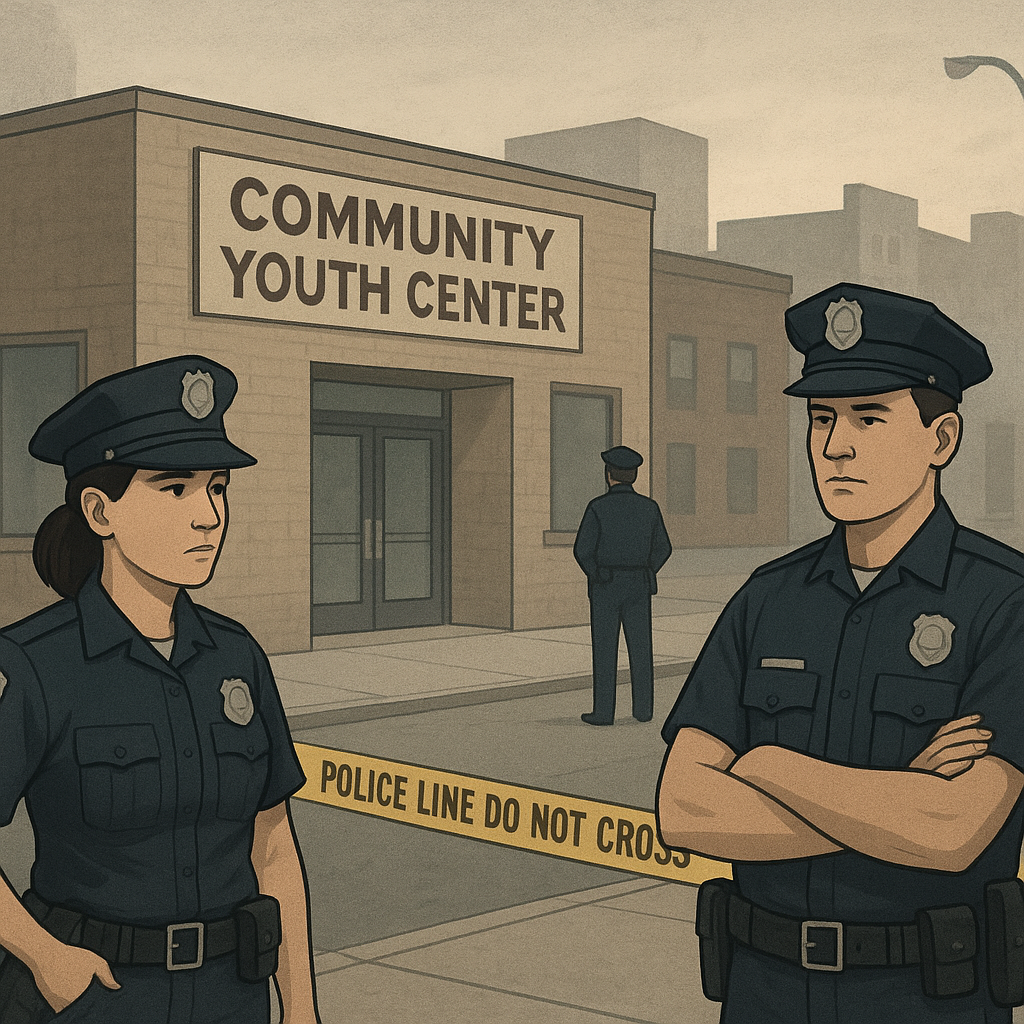
Police in northern Germany say the shooting occurred at a youth center in Stade, a town near Hamburg, where the level of gun violence is generally low compared with the United States and several other countries. The reported death toll of six makes the episode one of the most serious violent incidents in the area in recent memory. Officials said a suspect was detained, but they have not yet released a detailed account of the suspect’s identity, possible relationship to the victims, or whether the attack was targeted.
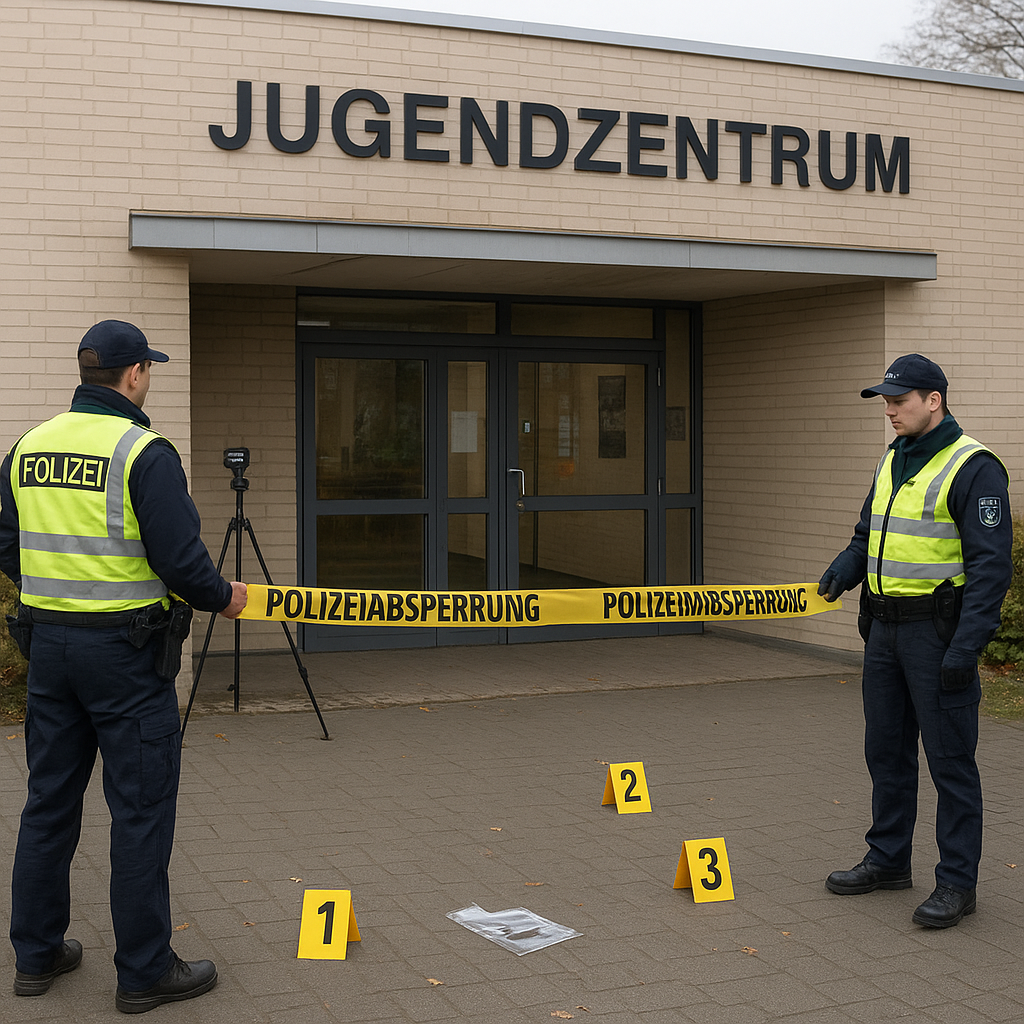
At this stage, the facts remain limited and subject to change as investigators process statements and physical evidence. In cases like this, the first hours are often about preserving the scene, securing any firearm or shell casings, reviewing surveillance footage, and locating witnesses who can help reconstruct the timeline. Police also tend to coordinate with emergency medical personnel, forensic teams, and local prosecutors early in the process.
The youth center setting adds another layer of concern. These facilities are usually seen as safe, community-oriented places where children and teenagers gather for programming, recreation, counseling, or informal support. A deadly attack there can reverberate far beyond the immediate victims. Parents, staff, and local residents often want to know whether the site was specifically chosen, whether there had been earlier threats, and whether security measures were adequate.
For readers following similar violence and investigative developments, related coverage on police response and case handling may also be useful, including reports on law enforcement investigations, court proceedings, and public safety policy.
Legal context and charges or proceedings
Because the shooting is still under investigation, authorities have not publicly set out all possible charges. In a case involving six deaths, prosecutors would typically consider multiple counts of homicide or murder, depending on the facts, the suspect’s intent, and the applicable legal standards. German criminal law distinguishes among offenses based on intent, planning, motive, and aggravating circumstances. Those distinctions matter because they can shape the potential sentence and the procedural path forward.
The central legal questions will likely include whether the attack was premeditated, whether the weapon was obtained lawfully, whether the suspect acted alone, and whether the victims were singled out for a specific reason. Investigators will also seek to determine whether there were warning signs before the shooting. Any prior threats, prior police contacts, or history of domestic or interpersonal violence could become relevant if they are tied to motive or foreseeability.
If the suspect remains in custody, a judge may need to review the detention decision within a short period. That hearing would focus on whether continued detention is justified while the case is developed. Prosecutors generally must explain why they believe evidence supports the charges and why a less restrictive measure would not be enough. In a homicide investigation with multiple fatalities, detention is often easier to justify, but a court still needs a lawful basis.
The case also raises evidence questions that can become central later in trial. Forensic testing on the weapon, ammunition, fingerprints, DNA, and digital devices may help establish who was present and what happened in the minutes before and after the shooting. Witness testimony may be complicated by trauma, confusion, and the rapid pace of events. That is especially true where the attack unfolded in a public place and people were trying to escape.
If the investigation leads to formal indictment, the proceedings could take months, especially if mental health evidence, ballistic analysis, or witness protection issues are involved. German criminal cases often move with more judicial oversight and less spectacle than many high-profile U.S. prosecutions, but serious homicide matters still demand extensive preparation. Readers looking for broader context on homicide prosecutions may also want to see how investigations are handled in other major cases.
One issue that may surface later is competency or mental state. If investigators uncover information suggesting the suspect had a severe mental illness, prosecutors may need to address whether that affected criminal responsibility. Courts can order psychiatric evaluations when there is a credible reason to do so. That does not excuse violence on its own, but it can influence charging decisions, sentencing, or commitment to a secure psychiatric facility.
Another question is whether the event will trigger broader scrutiny of firearms access. Germany has stricter gun rules than many countries, yet shootings still occur, often involving illegal weapons, stolen firearms, or weapons legally owned by licensed individuals. If the gun used in Stade was obtained unlawfully, the case could renew debate about enforcement, storage, and trafficking routes. If it was legally owned, regulators may face pressure to explain how a suspect obtained it.
For that reason, this shooting may become part of a larger debate over balancing personal rights, security, and state oversight. That debate often turns on facts that are not immediately known after an arrest. When a case is this fresh, caution matters. Conclusions that come too quickly can mislead the public and complicate the work of investigators.
Law enforcement or court response
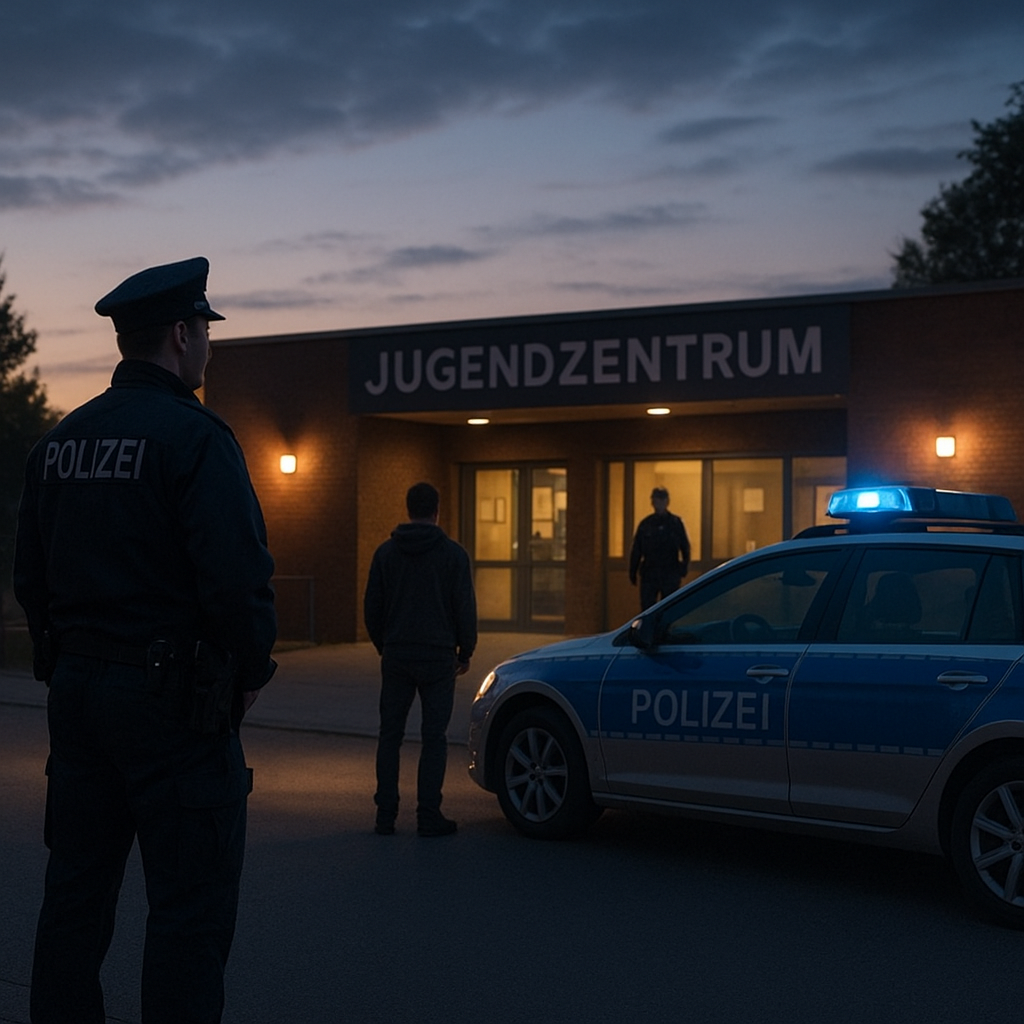
German police have said only that a suspect is in custody. Even that limited statement carries significance. It suggests investigators believe they have identified a person they think is connected to the shooting and have secured that person before the investigation could be disrupted. In major violent incidents, the first law-enforcement priority is stopping any ongoing threat, followed by preserving evidence and isolating possible accomplices.
The response likely involved a large police deployment, emergency medical units, and possibly special tactical officers if officers believed the suspect remained armed. At scenes involving multiple fatalities, command structures are usually quickly established so that one unit handles public safety, another manages the crime scene, and a third coordinates with prosecutors and forensic specialists. Communication is critical, especially when rumors can spread fast through social media and local messaging apps.
Courts may become involved quickly if prosecutors seek to extend custody or obtain search warrants for residences, vehicles, or digital accounts. Judges will evaluate whether there is a factual basis for those steps. In a serious shooting case, a court’s first role is often procedural, but that role is still important. It ensures police and prosecutors build the case within legal limits.
The response from local authorities will also be measured by transparency. Families and the wider public will want timely updates about the number of dead, the number of wounded if any, the suspect’s status, and whether there is a continuing threat. Officials often face tension between sharing enough to reassure the public and withholding details that could compromise witness accounts or forensic work.
Because the event happened at a youth center, child protection and social services may also be drawn in if minors witnessed the attack or lost family members. Trauma support, crisis counseling, and school-based resources often become part of the official response. Local leaders may need to coordinate with psychologists and victim advocates as well as police.
The legal aftermath can extend beyond the criminal case itself. Families of victims may seek information about the sequence of events, the facility’s security protocols, and whether any failures contributed to the toll. If there is evidence that a private security company, venue operator, or public agency failed to meet its duties, civil claims could follow. Those issues generally move separately from the criminal case, but they can shape public debate.
The possibility of civil-rights scrutiny should not be overlooked either, though the direction of that scrutiny depends on the facts. If police encountered the suspect before the shooting, handled warnings poorly, or missed earlier intervention opportunities, questions could arise about institutional accountability. If officers acted rapidly and professionally, that too will matter to the public record. For readers interested in oversight and accountability, see also civil rights and policing reform.
Community and policy implications
A shooting that kills six people at a youth center in Germany is unusual enough to carry immediate national significance. It is not just a criminal case. It is a public-safety event that may affect how cities think about protection at community sites, mental health response, emergency alert systems, and firearms regulation.
For residents of Stade, the emotional impact will likely be profound. Places associated with children and teenagers are supposed to feel stable and familiar. When violence enters that space, community trust can erode quickly. Parents may become reluctant to let children attend after-school programs or evening gatherings. Staff members may need time away from work. Municipal officials may face pressure to review whether the center had adequate access control, lighting, alarms, or staff training.
At the policy level, the case may revive discussion about whether warning signs are recognized early enough. In many shootings, hindsight reveals a trail of concerning behavior: threats, escalating conflict, social isolation, or prior contact with authorities. Yet those signals are often fragmented across institutions. Police may know one part, schools another, healthcare providers a third. The challenge is knowing when the law permits intervention and when authorities should take a more precautionary approach.
Gun policy debates could also sharpen. Germany’s firearms framework is already more restrictive than that of the United States, but any mass-casualty shooting prompts renewed scrutiny of licensing, safe storage, and the black market. Legislators may ask whether current controls are sufficient, whether background checks need to be more robust, and whether law enforcement needs additional resources to trace illegal weapons. Those questions are policy questions first, but they are rooted in criminal justice realities.
There is also the matter of youth services and social cohesion. Community centers often fill gaps that government programs cannot fully cover. They can be places for mentoring, tutoring, sports, counseling, and conflict resolution. After a shooting, policymakers may want to invest more in these spaces, not only in physical security but in staffing, crisis planning, and local outreach. The goal is not to turn every youth center into a fortress. It is to keep them open and usable while reducing the risk of violence.
This kind of case can also deepen conversations about media coverage and responsible reporting. In the first wave after an arrest, public appetite for details is high, but premature certainty can distort public understanding. Responsible coverage should separate confirmed facts from speculation, especially regarding motive, mental health, ethnicity, or political ideology. Those details matter only when supported by evidence.
If the suspect’s background includes prior criminal justice contact, that history may influence the policy discussion. But not every past police interaction is meaningful, and not every behavior warning is predictive. The system still struggles with identifying the small number of people who will commit severe violence without stigmatizing people who never will. That tension sits at the heart of modern prevention policy.
For broader coverage of justice-policy questions that arise in violent-crime cases, readers may also want to consult reporting on crime trends, policy reform, and prisons and corrections.
Ultimately, the Stade shooting may be remembered not only for its death toll but for the questions it forces into the open: how authorities respond after an arrest, how communities recover from sudden violence, and how governments can reduce the odds of another attack without overreacting.
Frequently Asked Questions
Was the suspect charged immediately?
Not necessarily. Police said a suspect was in custody, but formal charges usually depend on what prosecutors and courts determine after reviewing the evidence.
How many people were killed?
Police said six people were killed in the shooting at the youth center in Stade near Hamburg.
Was the motive known?
No public motive had been announced at the time of the latest update. Investigators are still working to determine why the shooting happened.
Will there be a trial?
If prosecutors file charges and a court finds enough evidence, the case could proceed to trial. In serious homicide matters, that process can take time.
Could there be broader policy changes?
Possibly. Cases like this often prompt review of firearms controls, public-space security, emergency response, and mental health intervention systems.
The most important fact right now is also the simplest: six people are dead, and a suspect is in custody while investigators work to explain how violence reached a place meant for young people and community life. The legal process will take time, and the public will need patience as authorities sort out motive, evidence, and responsibility. For now, what matters is accurate reporting, careful investigation, and support for those left behind.