The Secret Service says it has seen a significant rise in threats ahead of the rescheduled White House Correspondents' Dinner, a reminder that even an annual...
Secret Service reports sharp rise in threats ahead of rescheduled White House Correspondents' Dinner
The Secret Service says it has seen a significant rise in threats ahead of the rescheduled White House Correspondents' Dinner, a reminder that even an annual Washington social event can trigger the same security concerns that surround major political gatherings. Federal agents are assessing online chatter, threat reports, and other indicators as they prepare to protect attendees and the venue.
Key Takeaways- The Secret Service says threat activity has increased before the dinner.
- The event draws politicians, journalists, celebrities, and high-profile public figures.
- Federal and local law enforcement are expected to coordinate closely on security.
- Threats to protected events can lead to federal investigations and charges.
What happened
According to the Secret Service, the number of threats tied to the White House Correspondents' Dinner has risen ahead of the event’s rescheduled date. The dinner, long a fixture on Washington’s political calendar, combines high-profile guests, heavy media coverage, and a large security footprint. That combination makes it a frequent target for online harassment, hoax threats, and more serious warning signs that require review.
The agency did not publicly describe every threat it has received, and that is often standard practice. In sensitive protective operations, releasing too much detail can compromise investigative methods or encourage copycat behavior. But the agency’s warning signals a familiar reality in modern public safety: threat assessment now begins long before attendees walk into a ballroom.
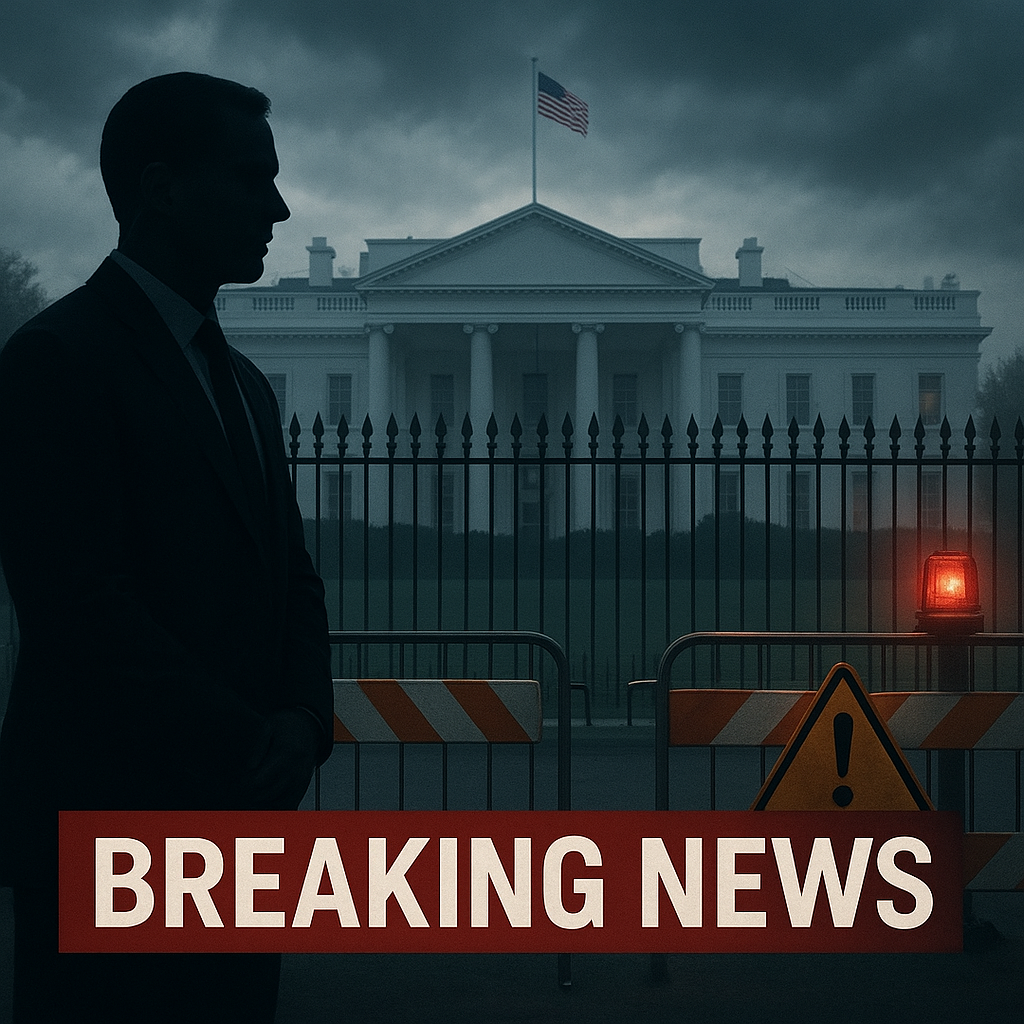
The White House Correspondents' Dinner is not just a social event. It is an assignment for the Secret Service, which must protect government officials, visiting dignitaries, and other invited guests. The agency’s job is made more difficult when the event is delayed or rescheduled, since changes in timing can create new planning demands and give threat actors more time to react.
Threats in this context may come from a range of sources: angry social media posts, false claims about attacks, direct messages to public figures, or more specific statements that prompt a closer look. Not every alarming message becomes a criminal case. But every one of them must be checked.
Legal context and charges or proceedings
Threats against protected persons or protected events can implicate several federal statutes, depending on the facts. True threats, interstate communications containing threats, threats against federal officials, and hoaxes can all lead to prosecution if investigators believe the evidence supports criminal intent or reckless disregard.
The legal line is not always simple. Courts have distinguished between protected speech, political hyperbole, and statements that a reasonable person would interpret as a serious expression of intent to harm. That distinction matters in cases involving public officials, journalists, and public events where the First Amendment and public safety concerns intersect.
If a threat is specific enough, investigators may pursue charges under federal law. If it involves bomb threats, hoaxes, or false reports, the conduct can trigger a broader response. Even when prosecutors do not file charges, the behavior may lead to a visit from law enforcement, confiscation of devices under a warrant, or referral for mental health intervention if appropriate and lawful.
The Secret Service often works alongside the FBI, the Metropolitan Police Department in Washington, and other agencies to assess credibility. That coordination can matter when a threat crosses state lines, is posted from an anonymous account, or appears connected to a wider campaign of harassment. In many cases, investigators must preserve digital evidence quickly before accounts are deleted or messages disappear.

A rescheduled event can also raise practical legal questions. Security plans may need to be revised, venue access may be limited, and credentialing decisions can become more restrictive. Those changes are usually administrative, but they are grounded in legal duties to protect life and maintain order. If a threat becomes credible, the government’s obligation to act quickly outweighs the inconvenience to attendees.
Law enforcement or court response
The Secret Service’s public warning suggests that agents are not treating the threat picture as routine. When the agency spots increased risk, the response can include intelligence review, protective sweeps, coordination meetings, and increased monitoring of digital platforms. Agents may also share information with prosecutors if the conduct suggests a viable case.
The broader response often includes a layered security posture. Local police may control traffic and pedestrian access. Federal officers may handle credential checks and the innermost perimeter. Intelligence analysts may scan for repeat offenders, extremist chatter, or language suggesting a coordinated disruption.
If investigators identify a person of interest, the path forward can be fast. A suspect may be interviewed, warned, or arrested, depending on the seriousness of the conduct and whether probable cause exists. In a federal case, prosecutors can file a criminal complaint, seek an arrest warrant, and later decide whether to move toward an indictment.
Even when a threat does not result in a public arrest, it can still have lasting legal consequences. A person under investigation may be subject to restricted contact with officials, no-trespass notices, or court-imposed release conditions if charged. In cases involving repeated threats or stalking-type conduct, judges can tighten bail terms or prohibit internet use.
The courts may also become involved if a case challenges the scope of the government’s response. Defense lawyers can argue that a statement was protected speech or that investigators misread context. Prosecutors, in turn, may rely on the surrounding facts: timing, direct messages, prior conduct, deleted posts, travel activity, or evidence that the accused took steps toward carrying out a threat.
This is where the legal response becomes more than a headline. Threat cases are often built from fragments. A screenshot. A phone record. A tip from a platform. A witness interview. A warrant return. Each piece may seem small, but together they can show whether law enforcement is confronting a real danger or a false alarm.
The Secret Service’s role in this space also reflects a broader federal shift. Protection detail work increasingly depends on data analysis and threat management rather than visible physical security alone. Agencies are looking for behavior patterns, not just single statements. That approach is designed to stop violence before it starts, though it can also raise concerns about overreach if surveillance becomes too broad.
Community and policy implications
A rise in threats before the White House Correspondents' Dinner has implications beyond one evening’s security perimeter. It reflects the increasing volatility of public life, where major events can be targeted by people seeking attention, revenge, ideological disruption, or intimidation. The target may be a dinner, but the message is often aimed at the broader political system.
For the journalism community, the warning is especially sensitive. The correspondents' dinner is one of the few nights when reporters, editors, media executives, public officials, and entertainers occupy the same space. Heightened threats against such an event can affect attendance, security costs, and the willingness of people to appear in public around major political moments.
There is also a policy dimension. Federal protective services must decide how much security is enough, how much can be publicly disclosed, and how to communicate risk without creating panic. Those decisions are not merely operational. They influence public trust. If agencies withhold too much, critics say they are hiding danger. If they reveal too much, they may encourage imitation or expose vulnerabilities.
Lawmakers often respond to these situations by calling for stronger threat reporting systems, more funding for protective details, and faster information sharing among federal, state, and local authorities. But policy changes in this area are rarely simple. Expanding surveillance or threatening behavior statutes can improve enforcement, yet it can also create First Amendment concerns if the definitions are too broad.
There is another issue too: the pressure on courts and prosecutors. Threat cases tend to be time-sensitive. Evidence can vanish quickly, but due process still applies. Judges must decide whether warrants are supported, whether detention is justified, and whether charges fit the facts. That balance is central to the justice system, and it becomes even more visible in high-profile cases.
The public can also take a lesson from the Secret Service warning: threat reporting matters. Many serious cases start with a tip from a friend, a school, a platform, or a workplace. Prompt reporting can prevent harm. At the same time, agencies need to distinguish between venting and true threat conduct, a distinction that requires training, not guesswork.
That is why these cases remain so difficult. They sit at the intersection of speech, fear, evidence, and timing. The Secret Service is trying to make one night safer. The larger challenge is making public life less vulnerable to intimidation in the first place.
Frequently Asked Questions
Why is the White House Correspondents' Dinner treated as a security concern?
Because it brings together senior government officials, journalists, and other high-profile guests in one location, making it a potential target for threats or disruptions.
What kind of conduct can lead to criminal charges?
Specific threats, hoaxes, interstate threatening communications, stalking-like conduct, and other acts that meet federal or local criminal thresholds.
Does every threatening post lead to an arrest?
No. Authorities must assess context, credibility, intent, and evidence before deciding on an arrest or charging decision.
Which agencies may respond?
The Secret Service often works with the FBI, local police, and federal prosecutors.
Can someone be investigated for speech alone?
Protected speech is not supposed to be criminalized, but statements that amount to true threats or criminal hoaxes can be investigated and, in some cases, prosecuted.
The Secret Service’s warning is a reminder that large public events now carry a security burden shaped as much by digital threats as by physical access risks. The work of protecting the dinner is not just about the night itself. It is about the days of monitoring, coordination, and legal judgment that come before it. In today’s environment, that quiet work is often the difference between a routine evening and a dangerous one.