Partial human remains found in the Fox River remain unidentified, and authorities have not said whether the discovery is linked to a boat crash, a criminal...
Partial Human Remains Found in Fox River as Investigators Seek Identity and Cause
Partial human remains found in the Fox River remain unidentified, and authorities have not said whether the discovery is linked to a boat crash, a criminal act, or some other incident. The finding has triggered a careful but limited public response: investigators are collecting evidence, preserving the scene, and waiting for forensic testing to determine who the person was and how the remains ended up in the water.
Key Takeaways- Partial human remains were recovered from the Fox River.
- Authorities have not identified the remains.
- Officials have not linked the discovery to a boat crash or any other incident.
- Forensic analysis, missing-person comparisons, and scene reconstruction will likely determine the next steps.
- At this stage, the case is an investigation, not a confirmed homicide or accident.
What happened
The central fact is straightforward but unresolved: partial human remains were discovered in the Fox River, and authorities have not yet identified them. That means investigators do not know whose remains were found, how long they may have been in the water, or whether the person died in a boating accident, entered the river under suspicious circumstances, or came to harm elsewhere before being carried downstream.
That uncertainty matters. Water recovery cases often begin with more questions than answers. Bodies and partial remains can be altered by current, temperature, wildlife, and time. Even when the location of recovery is known, it does not always reveal the place of death. In cases involving rivers, lakes, or harbors, investigators first have to establish whether the location is the scene of an incident or simply the place where remains surfaced.
The Fox River discovery will likely be treated as a death investigation until medical examiners and law enforcement can narrow the cause. In the meantime, authorities are likely comparing the remains to missing-person reports, examining any associated personal effects, and reviewing recent emergency calls or boating incidents in the area.
It is also possible that the remains will remain unidentified for some time. That is not unusual. Identification can depend on dental records, DNA, fingerprints if preserved, and forensic anthropology. Where remains are partial, the process can be slower and more uncertain.
The public often wants a quick answer when remains are found in a river. But investigators usually have to rule out several possibilities first. Was there a drowning? Was there a boating collision? Did someone go missing weeks or months earlier? Was there foul play? The answer may emerge only after evidence is analyzed and compared with records from the area. Related reporting on police response and evidence handling in missing-person matters can be found in Law Enforcement coverage and Investigations updates.
Legal context and charges or proceedings
At this stage, no charges have been announced, and there may not be any for some time. That is because the discovery of human remains does not automatically create a criminal case. Prosecutors need a legally supportable theory of what happened, and investigators need evidence that can connect a person, an act, and a possible offense.
If the remains are eventually identified and the circumstances suggest accidental death, the case may never enter the criminal courts. It could remain a medical examiner matter, a missing-person case, or a records search tied to a previous incident. If investigators determine that another person was involved, then prosecutors could consider charges ranging from reckless conduct to homicide, depending on the facts.
In Wisconsin-style river cases, or any waterway death investigation, the legal threshold for charges is high. Prosecutors would need to show not just that someone died, but that another person’s conduct caused or contributed to the death and that the conduct met the elements of a specific offense. That requires a chain of evidence: witness statements, surveillance video, phone records, vessel logs, forensic findings, and, sometimes, accident reconstruction.
If a boat crash is suspected, the legal questions change again. Investigators may look at sobriety, speed, navigation rules, lighting, life-jacket use, mechanical failures, and whether there were prior warnings or reports. A boating death can begin as an accident investigation but later become a criminal matter if there is evidence of intoxication, reckless operation, or failure to render aid.
When remains are only partial, the legal picture becomes more complicated. Medical examiners may be unable to determine exact cause of death. Without that, prosecutors may have no viable charge. A case can still have public importance even if no one is charged. Families still want identification. Communities still want to know whether a hazard exists. And law enforcement still has to determine whether there is any continuing risk.
For context on how agencies handle unresolved death cases and potential criminal exposure, readers can review Crimes reporting and Court proceedings coverage. Those pages help explain the difference between a death investigation and a filed criminal case.
Law enforcement or court response
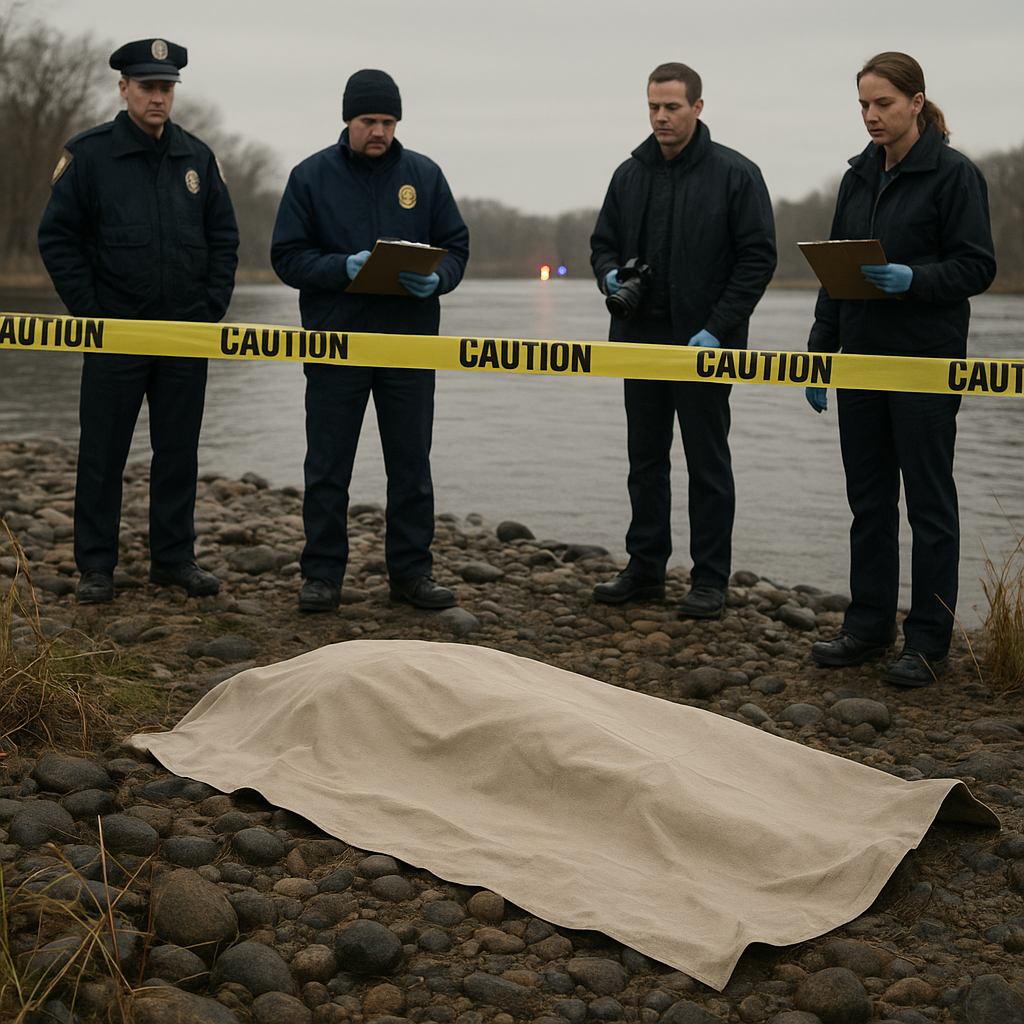
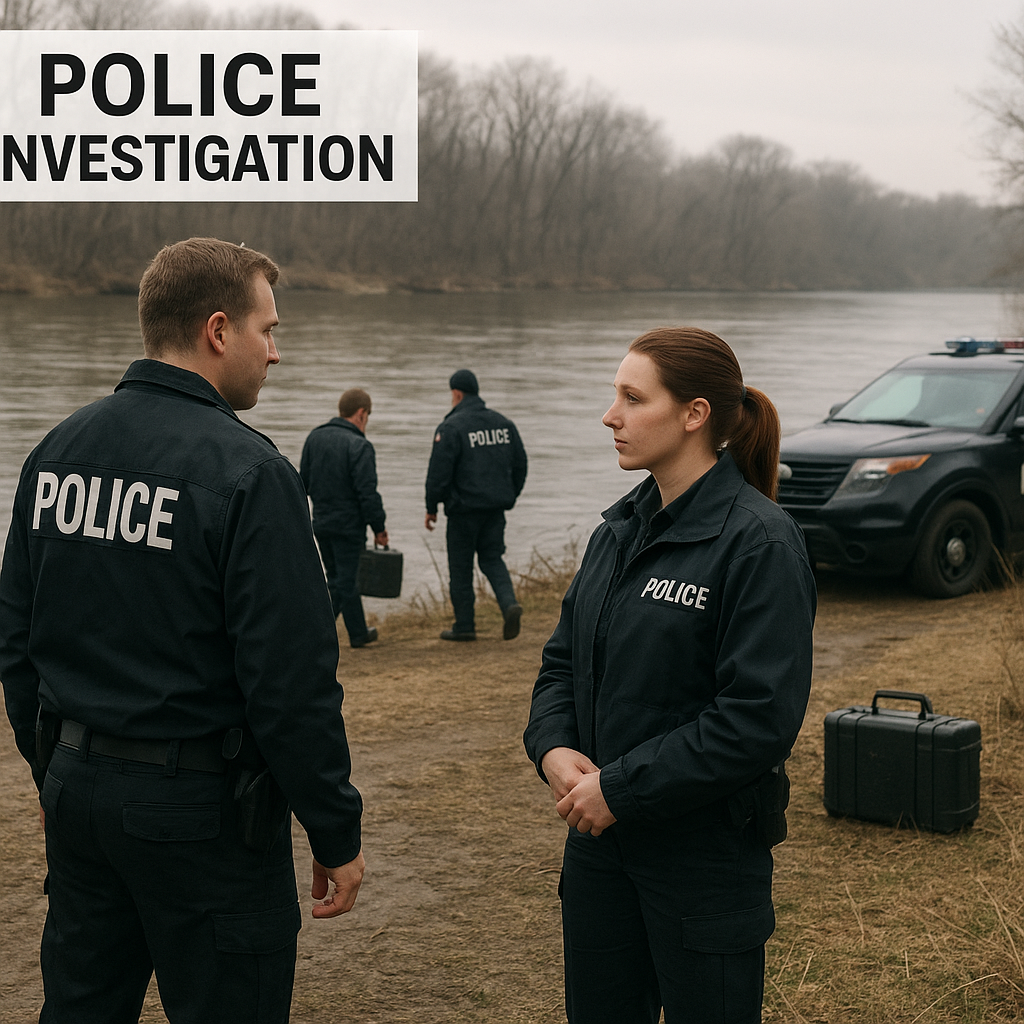
Police and detectives generally move in stages after a discovery like this. First comes scene security. Then recovery and documentation. Then the chain of custody. Finally, laboratory work and coordination with the medical examiner.
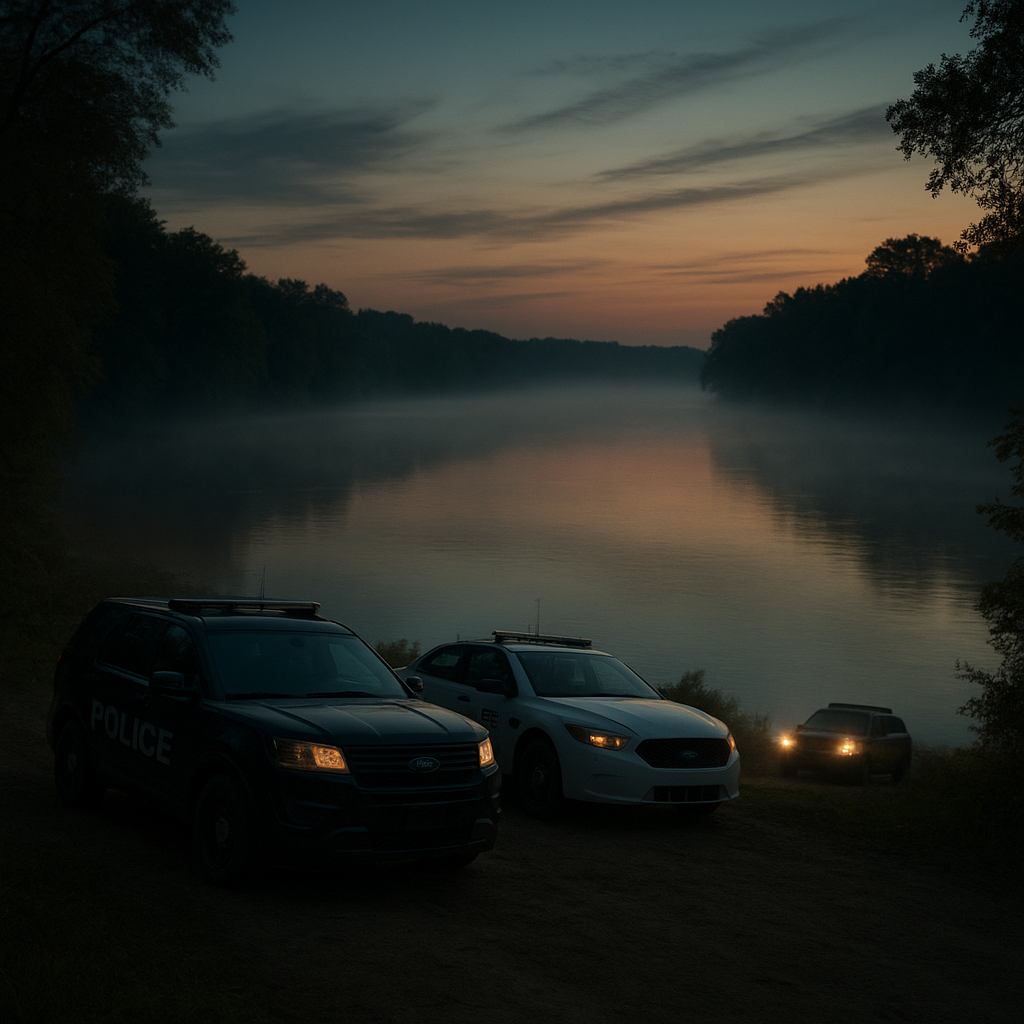
Because the remains were found in a river, officers likely considered current patterns, water depth, access points, nearby bridges, and whether debris or vessel activity could have affected where the remains were found. Divers, marine units, or search-and-rescue teams may be involved if additional evidence is expected in the water.
The medical examiner’s role is especially important. That office may determine whether the remains are human, whether they are partial or complete, approximate time in the water, and whether trauma is present. Injuries to bone can indicate impact, but they can also result from environmental exposure or postmortem damage. Those distinctions matter a great deal.
Law enforcement will also likely compare the remains to open missing-person cases. Investigators often maintain lists of people last seen near waterways, and unidentified remains are checked against those reports. DNA can be uploaded to national databases, and personal items recovered with remains may be compared with descriptions from families or prior cases.
In court, the discovery stage of a case like this usually stays out of public view unless a suspect is identified. If charges are filed later, the process can become more visible: bail hearings, probable cause filings, search warrants, and motions about the admissibility of forensic evidence. For now, however, the case remains in the investigative phase.
Public agencies often say little at this point, and that restraint is appropriate. Premature theories can confuse witnesses and complicate later prosecutions. Investigators need to avoid creating a narrative before the evidence is clear.
That caution is familiar in other unresolved cases covered in Investigations reporting and in policy debates about evidence testing and backlog management found in Policy coverage. In a case like this, speed matters, but accuracy matters more.
Community and policy implications
Even an unresolved discovery can have a real effect on a community. A body recovery in a river changes how people talk about safety, boating, missing persons, and the visible presence of law enforcement on the water. Families ask whether someone has been reported missing. Boaters wonder whether the waterway has hidden hazards. Local officials face questions about patrols, rescue response, and communication.
The first public issue is often transparency. Residents want to know what authorities can say without compromising the investigation. That balance is not always easy. If police release too little information, speculation fills the gap. If they release too much, they may unintentionally harm the case or family members.
There is also the broader policy question of how agencies handle unidentified remains. Many departments and medical examiner offices face resource constraints. DNA submissions, lab testing, and records checks can take time. If a case stretches on, the community may begin to worry that the system is not moving fast enough. That is a fair concern, especially when families are waiting for answers.
Some jurisdictions have improved their approach by strengthening coordination among law enforcement, coroners or medical examiners, and missing-person units. Better data sharing can shorten the time it takes to match remains with reports. Those efforts also help reduce the number of long-term unidentified cases.
River recoveries also bring attention to water safety and rescue readiness. Local governments may review patrol patterns, warning systems, and signage near known danger points. If the eventual facts show a boating crash, then policy conversations may turn to alcohol enforcement, nighttime navigation, and public education on life jackets and vessel rules.
If the case instead points to foul play, the conversation could shift toward violence prevention, surveillance coverage, and faster reporting channels for suspicious activity near the river.
The uncertainty itself can be destabilizing. Communities often want a single explanation. Investigators rarely get one so quickly.
For readers interested in how criminal justice policy intersects with death investigations, evidence handling, and agency accountability, Civil Rights coverage offers context on the public’s right to information and the limits placed on law enforcement during active investigations.
Frequently Asked Questions
Are the Fox River remains identified?
No. Authorities have said the partial human remains have not yet been identified.
Do investigators know whether the remains are linked to a boat crash?
Not yet. Officials have not said the remains are connected to a boat crash or to any other specific incident.
Could this become a homicide investigation?
Yes, but only if evidence points that way. At present, it appears to be an open death investigation, not a confirmed homicide case.
Why can river recoveries take so long to solve?
Water can damage remains and destroy key evidence. Investigators may need DNA testing, dental comparisons, missing-person records, and scene reconstruction before they can identify the person and determine what happened.
Will police release more information soon?
That depends on the investigation. Officials often withhold details until they can confirm identity and cause of death.
What happens if no identity is found?
The case may remain open indefinitely, with periodic reviews and database checks. New evidence, witness tips, or advances in forensic testing can reopen the path to identification.
The Fox River discovery is a reminder that not every death investigation begins with answers. Some begin with fragments, both literal and investigative. The work now falls to forensic specialists, detectives, and medical examiners, who must determine whether the remains point to an accident, a tragedy with no criminal element, or something more serious. Until then, the responsible position is restraint: acknowledge what is known, avoid speculation, and let the evidence lead.