Lindsay Clancy’s murder trial resumed Tuesday with healthcare workers who treated her for postpartum mental health concerns back on the witness stand...
Lindsay Clancy’s Murder Trial Returns to the Question of Postpartum Mental Health and Criminal Responsibility
Lindsay Clancy’s murder trial resumed Tuesday with healthcare workers who treated her for postpartum mental health concerns back on the witness stand, sharpening the dispute over what she was experiencing in the days before her children were killed and how the law should treat evidence of severe psychiatric distress.
Key Takeaways- The prosecution and defense are again focused on Clancy’s mental state before the killings.
- Medical testimony is central because it may help explain whether she understood her actions and could form criminal intent.
- The case has become a closely watched test of how courts handle postpartum psychiatric evidence in a homicide trial.
- The outcome could influence how future juries hear mental health testimony in cases involving parenting, trauma and acute psychiatric crisis.
The renewed testimony adds another layer to a case that has already drawn intense attention because it sits at the intersection of criminal law, medicine and grief. Prosecutors allege Clancy killed her three young children in January 2023 in their Massachusetts home. The defense has said she was suffering from a severe mental health episode tied to postpartum illness and was not in a normal state of mind at the time.
That dispute is now moving through the trial record in painstaking detail. Doctors, nurses and other clinicians who saw Clancy before the deaths are being asked to reconstruct her symptoms, treatment and the warnings they believed they were seeing. Jurors are left to sort through a difficult question: whether Clancy’s mental illness, if proven, affected criminal responsibility, and if so, how much.
The case has also put a spotlight on the medical system’s role in identifying postpartum psychiatric emergencies. It is not only a murder trial; it is a window into how postpartum depression, postpartum anxiety, postpartum obsessive-compulsive symptoms and the rarer but far more dangerous postpartum psychosis can unfold, sometimes quickly and sometimes after a period of escalating warning signs. For readers following related issues in criminal justice policy and court practice, this trial sits beside other high-stakes cases where mental health evidence becomes central to a defendant’s fate, much like court proceedings involving psychiatric defenses and criminal cases shaped by mental illness testimony.
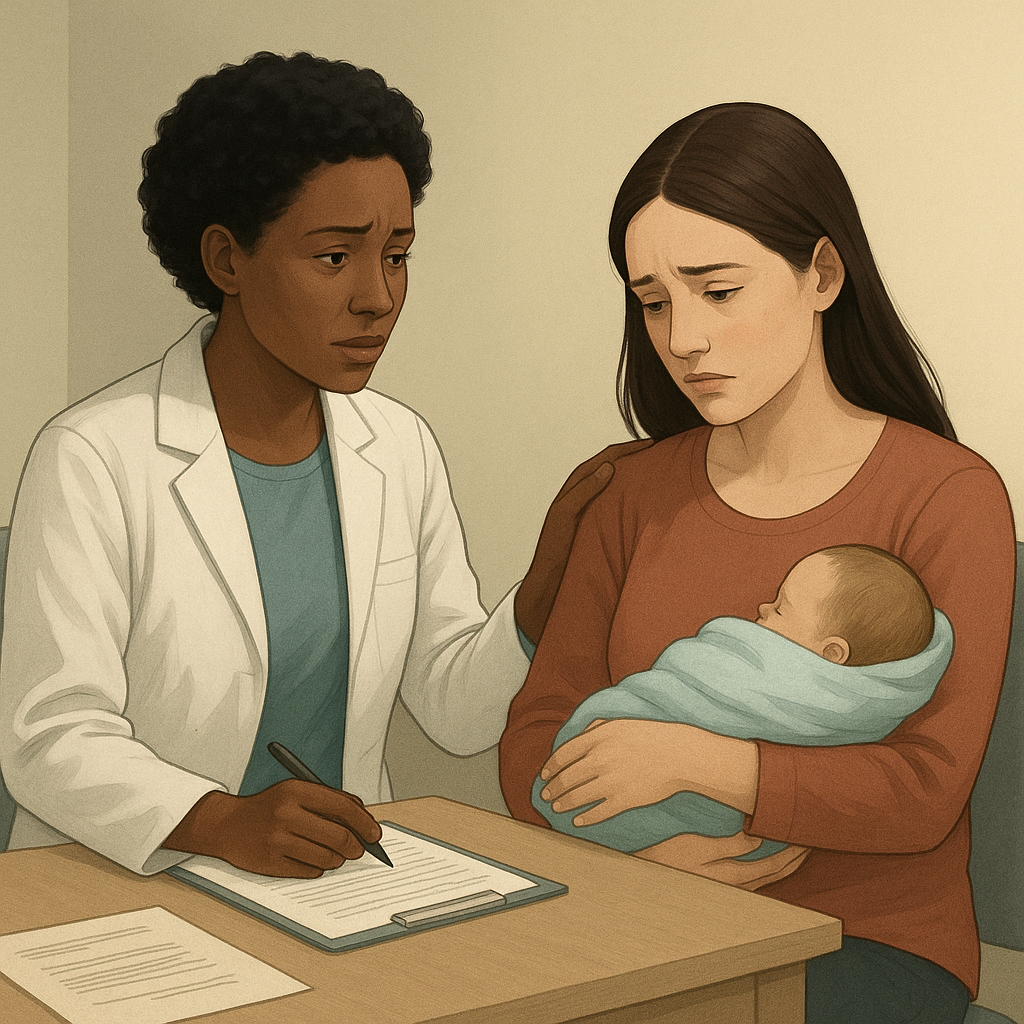
What happened
The core facts of the case are stark. Prosecutors say Clancy strangled her children and then attempted to take her own life. The children were all very young, and their deaths prompted immediate public grief, as well as hard questions about what warning signs had been missed and how much support she had received.
From the start, the defense has argued that her conduct cannot be understood without examining the psychiatric crisis they say she was in at the time. That has made medical records, clinician testimony and family accounts especially important. Tuesday’s testimony from healthcare workers appears to be part of that larger effort to place Clancy’s behavior, statements and treatment history into a clinical timeline.
In cases like this, the details often matter as much as the broad narrative. Jurors may hear about insomnia, agitation, intrusive thoughts, inability to rest, dramatic shifts in mood, or statements indicating a break from reality. They may also hear how a patient describes symptoms to a doctor differently than they do to family, or how a clinician notes concern without fully identifying the depth of the emergency.
The defense has an obvious incentive to show that Clancy’s mental state was not merely stressed or depressed, but profoundly impaired. The prosecution, by contrast, is likely to emphasize planning, awareness, and conduct before and after the killings to argue that she knew what she was doing. That tension is common in murder trials involving psychiatric evidence. The question is rarely whether a defendant was unwell. It is whether the illness rose to the level recognized by law.
That distinction has shaped many criminal cases involving mental health and violence. Courts generally do not ask whether a defendant was suffering; they ask whether a legally defined mental disease or defect prevented them from understanding the nature and wrongfulness of their conduct. That is a far narrower standard than the public often assumes.
For more on how such cases are framed in criminal proceedings, see also court coverage on insanity defenses and competency hearings and law enforcement reporting on homicide investigations involving mental health claims.

Legal context and charges or proceedings
Clancy is facing murder charges in connection with the deaths of her children. In a case of this gravity, the legal strategies tend to diverge sharply.
The prosecution has to prove the elements of murder beyond a reasonable doubt. Depending on the charges and the facts presented, that can include showing intent, malice and an absence of a legally sufficient defense. Prosecutors often build such cases through physical evidence, expert testimony, timeline reconstruction and statements made by the defendant before or after the alleged offense.
The defense, meanwhile, has raised postpartum mental health as the central issue. That can be presented in several ways. In some cases, mental illness is used to challenge the prosecution’s proof of intent. In others, it is offered as the basis for an affirmative defense or as mitigating evidence at sentencing. The precise route depends on the jurisdiction’s law and the trial judge’s rulings.
Massachusetts law permits defendants to raise mental impairment defenses under specific conditions, but those defenses are not easy to win. A defendant generally must show more than emotional turmoil or even a serious diagnosis. The evidence must support the legal conclusion that the person lacked the capacity required by law. That is where expert witnesses become crucial.
Medical witnesses in this trial are likely to face detailed questions about whether Clancy’s symptoms were consistent with postpartum depression, postpartum anxiety or postpartum psychosis. They may be asked whether she communicated thoughts of self-harm or harm to others, whether she had a history of psychiatric treatment, and whether any providers believed she required a higher level of care.
That is why the current testimony matters so much. A jury may hear a list of clinical observations and still struggle to connect them to the legal standard. Did a provider see enough to intervene more aggressively? Were there missed signals? Did Clancy present in a way that masked the severity of her condition? Those questions are medically important, but in court they become part of an argument about criminal responsibility.
This dynamic is not unique to Clancy’s case. Courts across the country regularly grapple with whether mental health evidence should be admitted, how much weight jurors should give it, and whether it explains behavior without excusing it. It is one reason mental health law continues to intersect with broader justice policy debates, including criminal justice reform and treatment access and the treatment of mentally ill defendants in court.
Law enforcement or court response
The courtroom response to this case has been careful and methodical. Because the deaths involved children and because the claimed mental health issues are so central, judges and attorneys have had to manage both evidentiary complexity and public sensitivity.
Prosecutors are expected to use medical testimony not just to address the defense theory, but to build a complete picture of the timeline. When did Clancy seek help? What did clinicians document? Were prescriptions changed? Did she report worsening symptoms? If so, did those symptoms suggest an ordinary postpartum struggle, or something more acute?
Defense attorneys are likely to push back on any suggestion that treatment alone proves awareness or intent. A person in psychiatric crisis may seek help and still be dangerously impaired. They may look organized while their judgment is collapsing. That is one reason postpartum psychosis cases, while uncommon, are so difficult in court: outward behavior and internal reality can diverge dramatically.
The legal system also has to address the limits of hindsight. After a tragedy, every chart note can seem laden with missed warning signs. But the standard in court is not whether providers could have done more in an ideal world. It is whether the evidence shows that Clancy’s condition meets a legal threshold relevant to the charges.
Still, healthcare testimony can influence a jury in powerful ways. Jurors are often asked to reconcile the brutality of the alleged crime with the reality of severe mental illness. Some will see the evidence as explaining the offense without removing responsibility. Others may conclude that a profound psychiatric break made the case less straightforward than a typical murder prosecution.
For court reporting on the legal mechanics behind such testimony, readers may also find relevant coverage in psychiatric evidence in homicide trials and prosecutorial strategy in high-profile murder cases.
Community and policy implications
The emotional force of the Clancy case extends well beyond the courtroom. For many parents, postpartum mental health remains a subject that is discussed more often than it is understood. Common postpartum depression is increasingly recognized, but postpartum psychosis is rarer, more severe and more dangerous. That difference matters. When warning signs are missed, the consequences can be catastrophic.
Public policy discussions around this case are likely to focus on screening, access to care and continuity of treatment after childbirth. Some advocates argue that postpartum patients should receive more frequent mental health screening, better follow-up and faster referrals to specialists. Others say the real gap is not awareness alone, but the shortage of systems capable of responding when a patient is clearly in crisis.
That debate intersects with criminal justice in a difficult way. Once a tragedy happens, the courtroom becomes the place where medical failures, family strain and psychiatric symptoms are translated into legal categories. The trial can never undo what happened, but it can expose where systems broke down. It can also reinforce how difficult it is to separate treatment questions from criminal liability when a defendant’s mental state is at issue.
There is another policy concern here: the risk of oversimplifying postpartum mental illness. Not every postpartum depression case involves violence. Not every person with postpartum psychosis becomes dangerous. Conflating the two can deepen stigma and make families less likely to seek help early. That matters for health systems, employers, prosecutors and judges alike.
The Clancy trial may therefore shape more than one conversation. In court, it is about guilt, intent and mental state. Outside court, it is about whether medical systems, emergency responders and families are prepared to recognize postpartum psychiatric emergencies before they turn tragic.
For readers interested in broader justice policy issues, see also mental health diversion and court reform and civil rights questions in access to treatment.
Frequently Asked Questions
What is the main issue in Lindsay Clancy’s trial?
The central issue is whether Clancy was suffering from a severe postpartum mental health crisis that affected her criminal responsibility when prosecutors say she killed her three children.
Why are healthcare workers testifying?
They treated or evaluated Clancy before the killings and can describe her symptoms, treatment, and whether she appeared to be in psychiatric distress. That testimony may help the jury assess her mental state.
Does postpartum depression mean someone cannot be charged with murder?
No. Postpartum depression alone is not a legal defense. The defense would need to show a condition severe enough to meet the legal standard for insanity, lack of intent, or another recognized defense, depending on the case.
What is postpartum psychosis?
It is a rare but severe psychiatric emergency that can involve hallucinations, delusions, confusion and disconnection from reality. It requires immediate medical attention.
Why is this trial getting so much attention?
It involves the deaths of three children, a defendant’s alleged postpartum psychiatric crisis, and difficult questions about how courts should weigh mental health evidence in a murder trial.
The Clancy case will likely remain difficult for jurors, clinicians and the public alike. It forces a direct look at what the law can measure and what it cannot. Medical testimony may help explain how a person could be in crisis and still appear functional. But it does not answer the hardest question on its own: how a court should assign responsibility when psychiatric illness, family tragedy and homicide collide in the same set of facts.
That is why this trial matters beyond its heartbreaking facts. It is a real-time test of how the justice system handles mental illness evidence when the stakes are as high as they can be.