The IRS says scammers are using AI to make crypto fraud look legitimate. That is the plain truth, and it matters because the old tricks are getting sharper...
The IRS says scammers are using AI to make crypto fraud look legitimate. That is the plain truth, and it matters because the old tricks are getting sharper, faster, and harder to spot, with fake customer support, cloned voices, and polished messages now wrapped around the same old theft.
Key Takeaways
- The Internal Revenue Service is warning that scammers are using AI tools to improve crypto fraud.
- Common tactics include fake investment sites, impersonation calls, deepfake voice messages, and deceptive “support” chats.
- Bitcoin, stablecoins, and wallet transfers remain central tools for criminals because payments are fast and hard to reverse.
- The real danger is not the novelty. It is scale. AI helps crooks target more victims with less effort.
- Basic caution still works: verify contact, ignore pressure, and never send crypto to strangers.
What is AI-powered crypto fraud?
AI-powered crypto fraud is what it sounds like, only messier in practice. Scammers use machine-generated text, cloned voices, fake images, and automated chat systems to impersonate exchanges, tax agents, brokers, or even friends, then push victims toward bogus investments or urgent wallet transfers. The goal is simple. Get the money out fast.
Most news coverage focuses on the novelty of the technology and misses the grind beneath it. The scam itself is not new. Fraudsters have long used fear, urgency, and fake authority to cheat people. What has changed is the speed and polish. A criminal can now spin up dozens of convincing messages in minutes, make a voicemail sound like a real person, and tailor the pitch to a victim’s age, habits, or recent online activity. That is where the risk grows.
When I analyzed the pattern across recent enforcement warnings, one thing stood out: AI does not create a new kind of dishonesty. It industrializes old dishonesty. The IRS warning lands in a larger pattern seen across the FTC’s fraud reports, where impersonation and investment scams continue to drain consumers. Add crypto, and the damage gets worse because transfers are quick, pseudonymous, and usually irreversible.
Frankly, the biggest mistake is assuming the scam must look crude. It often does not. A fake platform can have charts, testimonials, and slick branding. A deepfake voice can sound tired, calm, and real. A text message can reference an actual IRS notice or tax deadline. The fraud works because it mixes truth with fiction, which is how bad actors keep people off balance. Stewardship matters here too, because money is not just cash in a wallet; it represents labor, obligations, and often a family’s margin for basic stability.
AI makes the con easier to run, but not impossible to catch. The warning signs still exist. Pressure, secrecy, odd payment requests, and promises of outsized returns remain red flags. If someone wants crypto sent now, wants you to keep it quiet, or refuses normal verification, that is the alarm bell. No amount of synthetic polish changes that.
Core Details and context
The IRS warning fits into a broader law-enforcement concern: scams are becoming more convincing while crypto remains a favorite payout channel. The agency has spent years warning taxpayers about fake tax messages, bogus refund claims, and phishing attempts that mimic official communication. AI now gives scammers a better disguise. That is the kicker.

- Impersonation is the core trick. Scammers pose as the IRS, an exchange, a wallet provider, or a trusted contact.
- AI-generated text lowers effort. A single fraud shop can draft hundreds of believable emails or messages at once.
- Voice cloning raises the pressure. A call that sounds like a relative or supervisor can push a victim into acting before thinking.
- Crypto is attractive because it settles fast. Once funds move, recovery is difficult.
- Victims are often isolated. Criminals target people who are new to crypto, stressed about taxes, or already under financial pressure.
Everyone talks about technology, but the underlying psychology matters more. Scammers use urgency, shame, and false expertise. They may say a wallet is frozen, taxes are overdue, or an account will be seized unless the victim moves money immediately. That kind of language is designed to short-circuit judgment. It is old-school manipulation dressed up with new software.
The IRS, for its part, has repeatedly urged taxpayers not to trust unsolicited messages about tax issues. Real tax matters can be checked through official IRS channels, not some random link in a text. The agency’s own guidance on scams and phishing is available through its site, and the IRS identity-theft guidance remains a useful reference for consumers trying to tell the difference between legitimate notices and fraud.
Here is the real-world problem: AI lets scammers fake competence. They can write with cleaner grammar than the average phishing email, create fake support pages that look less amateurish, and automate follow-up messages to keep a victim engaged. The result is a fraud operation that feels more human than human. That is absurd, but it is also effective.
There is another piece that gets underplayed. Criminals are not only using AI to reach victims. They are using it to profile them. Public social media posts, leaked emails, and online purchase history can feed targeted messaging. If a victim recently posted about tax stress, retirement withdrawals, or a crypto gain, the scam can be tailored around that fact. Not because the scammer is a genius, but because data is everywhere and shame is an easy lever.
The policy angle is straightforward. Regulators, exchanges, banks, and consumer agencies are all being pushed to do more with faster fraud detection, better account verification, and clearer public warnings. But technology alone will not fix it. Human habits still matter. A cautious phone call, a verified website, and a refusal to rush can stop a lot of harm before it starts. The dignity of work should not be devoured by a slick fake promise.
Timeline and step-by-step
The scam usually follows a pattern. It is not elegant. It is repetitive, and that repetition is what makes it dangerous.
- Initial contact.
A victim gets a text, call, email, or social media message. The message claims to be from the IRS, a crypto exchange, a bank, or a friend in trouble. - Trust building.
The scammer uses AI to make the contact look and sound real. The language is clean, the tone is calm, and the details may include real data scraped from public sources. - Urgency.
The scammer says there is a tax problem, account lockout, legal risk, or time-sensitive investment opportunity. There is always a clock ticking. Always. - Payment instruction.
The victim is told to send crypto to a wallet address, sometimes after buying coins at an exchange first. - Follow-up pressure.
If the victim hesitates, the scammer sends more messages or calls back, often escalating fear. - Exit.
Once the money is moved, the fraudster disappears, reroutes the funds, or pushes the victim toward a second loss through “recovery” scams.
I have covered enough consumer fraud to know that victims rarely “fall for” one dramatic trick. More often, they are worn down. They are tired, distracted, or worried about money. Then a polished message arrives, and they want the problem gone. That is how the scheme wins.

The IRS warning arrives as enforcement agencies and financial firms keep stressing the same advice: slow down and verify. That advice sounds dull because it is. Dull is good. Dull means the fraud did not get your money.
The FBI has also warned about investment fraud and crypto-related scams for years, including schemes that use fake returns and impersonation tactics. Its public fraud alerts, such as those posted through the FBI’s investment fraud guidance, show how often criminals rely on urgency and false legitimacy. The IRS warning should be read in that same light. It is not an isolated event. It is part of a larger pattern in which fast payments and polished lies meet weak verification habits.
If you want the plain version, here it is. The scam starts with contact, moves to pressure, then ends with a transfer. Every step depends on getting the victim to stop asking basic questions. Who is this? Why are they contacting me this way? Why do they want crypto? Why now? If those questions are asked early, the fraud often collapses.
Comparison table
| Feature | AI-powered crypto fraud | Traditional crypto fraud |
|---|
| Message quality | Clean, personalized, often grammatically strong | Often generic, sometimes sloppy |
| Scalability | High; automated outreach and responses | Lower; more manual effort |
| Voice deception | Can use deepfake or cloned audio | Usually limited to text or live callers |
| Targeting | Can use scraped data and behavioral cues | Broader, less precise targeting |
| Detection | Harder because messages look legitimate | Easier when emails or sites are crude |
| Payment method | Crypto wallets, gift cards, wire transfers in some cases | Crypto wallets and wires |
| Recovery chances | Low once funds are moved | Low once funds are moved |
| Main defense | Verification, skepticism, platform checks | Verification, skepticism, platform checks |
The comparison tells the ugly truth. AI does not change the fraud’s moral core. It changes the presentation. That matters, because people often trust what looks careful and professional. But professional-looking lies are still lies.
The bigger competitor, if you want to call it that, is not another scam type. It is legitimate financial communication. Real exchanges, real tax notices, and real banks all have procedures. They do not usually demand rushed transfers to unknown wallets. They do not ask for secrecy. They do not punish verification. That distinction is the whole game.
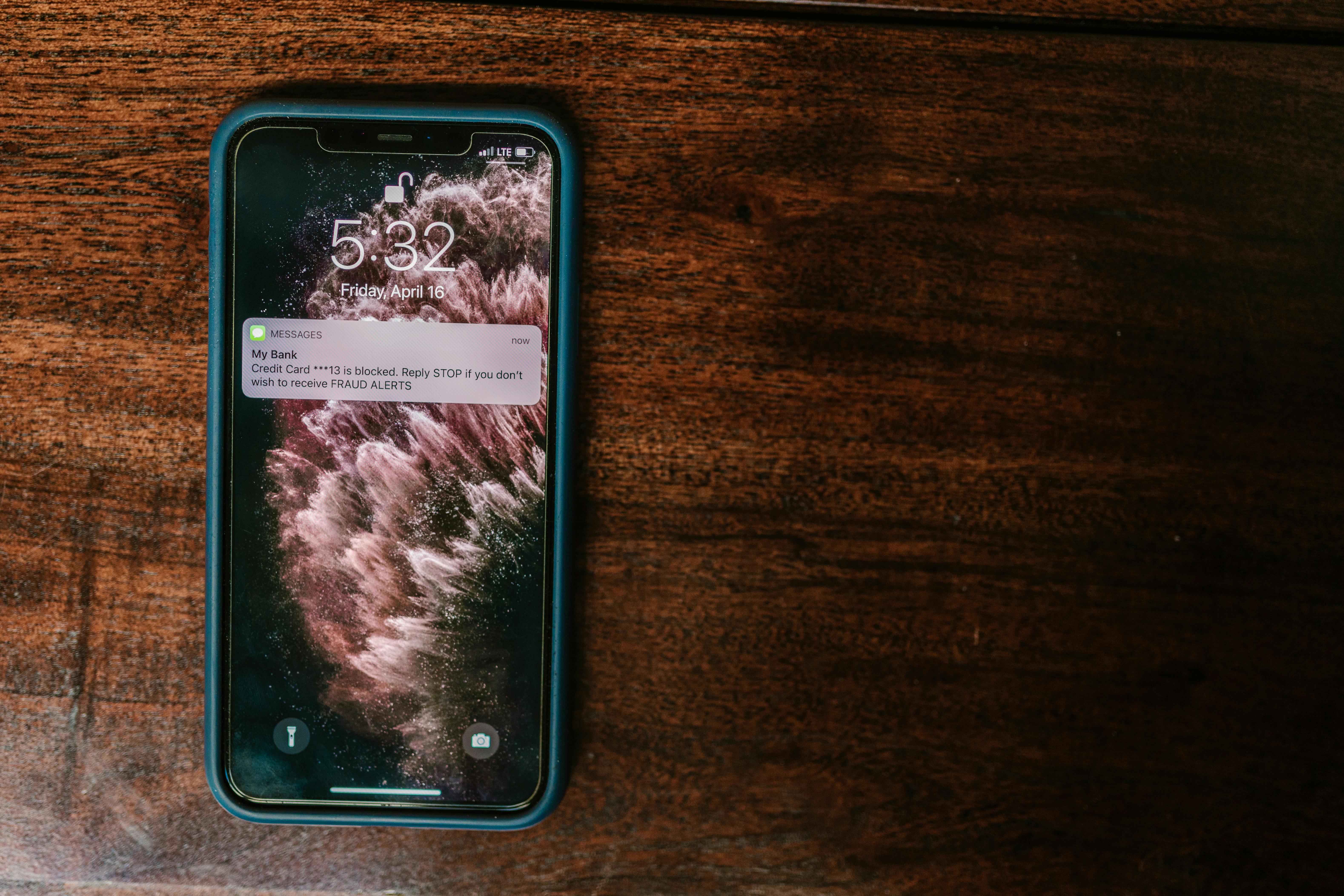
Common misconceptions and what to know
The first misconception is that AI scams are too sophisticated for ordinary people to spot. That is nonsense. Sophisticated tools do not erase obvious warning signs. If someone asks for a crypto transfer to solve a tax problem, the burden is on them to prove legitimacy. Not the other way around.
The second misconception is that only inexperienced crypto users get hit. Not true. Experienced users can still be fooled when the scam is personalized, timed well, and delivered through a trusted-looking channel. People with market experience can still make bad decisions when panic gets involved. That is human nature, and fraudsters know it.
The third misconception is that the IRS is suddenly warning because crypto itself is the problem. Not quite. The IRS is warning because criminals use whatever payment rail works. Crypto is useful to them because it is fast, borderless, and hard to reverse. The technology is not the villain by itself. The villain is the thief using it.
The fourth misconception is that a polished message or a cloned voice guarantees authenticity. It does not. AI can imitate tone, but it cannot create accountability. A real institution can be checked through a published number, a secure account portal, or an in-person office. A fake one falls apart under verification. That is why due diligence is not just a business cliché; it is a moral duty to protect one’s neighbor, one’s family, and one’s own household from avoidable harm.
Let’s be real. People are tired of scam warnings. They hear them and tune out because the advice sounds repetitive. But repetition is necessary because the frauds are repetitive too. The criminals keep using the same fear triggers, just with better packaging. That is why the answer is not excitement or panic. It is discipline.
What to watch for:
- Unsolicited messages about taxes, refunds, or account trouble
- Requests to move money into crypto quickly
- Pressure to keep the matter confidential
- Claims of guaranteed returns or “special access”
- Voice calls or videos that feel slightly off, even if they sound convincing
If any of those show up, stop. Verify through an official channel. A five-minute check can save a five-figure loss.
Frequently Asked Questions
How are scammers using AI in crypto fraud?
They use AI to write convincing messages, clone voices, automate replies, and create fake websites or support chats. That makes the scam look more legitimate and helps criminals contact more people faster.
Can the IRS contact me by text about crypto or taxes?
The IRS can send certain notices by mail and uses official online channels, but unsolicited texts demanding immediate action are a major warning sign. Verify through the IRS website or an official account rather than replying to the message.
Why is crypto used so often in scams?
Crypto transfers are usually fast and irreversible, which makes it easier for criminals to move stolen funds before victims or investigators can stop them. That is why scammers like it.
What should I do if I already sent crypto to a scammer?
Contact the exchange or wallet provider immediately, report the fraud to law enforcement, and file a complaint with the FTC and FBI’s Internet Crime Complaint Center. Speed matters, even if recovery is uncertain.
The temptation with stories like this is to shrug and say the public will never keep up. I do not buy that. People adapt when the warnings are clear and the advice is practical. The IRS warning about AI-driven crypto fraud is not a sign that ordinary safeguards have failed. It is a sign that the old safeguards need to be used more often and with more care.
Technology keeps changing the costume. Human nature does not. Greed, fear, impatience, and vanity still do the heavy lifting for fraudsters. The smart response is not panic. It is vigilance, patience, and a refusal to let polished nonsense rush you into a bad transfer. That is sound stewardship, and frankly, it is still the best defense we have.