Colin Gray, the father of the teenager convicted in the deadly Apalachee High School shooting in Georgia, has been sentenced to 15 years in prison after a...
Georgia Father Sentenced to 15 Years After Apalachee High School Mass Shooting
Colin Gray, the father of the teenager convicted in the deadly Apalachee High School shooting in Georgia, has been sentenced to 15 years in prison after a judge found him legally responsible for providing the rifle and ammunition his son used in the attack. Prosecutors said Gray ignored repeated warning signs before giving his son an assault-style semiautomatic weapon and ammunition as a gift, a decision they argued helped make the shooting possible.
Key Takeaways:- Colin Gray received a 15-year prison sentence for second-degree murder and involuntary manslaughter.
- Prosecutors said he ignored warning signs and supplied the rifle and ammunition used in the school shooting.
- The case is drawing attention to parental responsibility, gun access, and criminal liability in mass shootings.
What happened
The sentencing of Colin Gray marks one of the most closely watched legal aftermaths of the Apalachee High School shooting, a tragedy that left four people dead and shook the Barrow County community. Gray is the father of the teenager convicted of carrying out the attack. Prosecutors told the court that Gray did not simply fail to stop a troubled child from obtaining a weapon. They said he actively put the firearm in his son’s hands by gifting him the rifle and ammunition.
That allegation went to the center of the prosecution’s case. In a school shooting, investigators often focus first on the person who pulled the trigger. But this case forced a broader question: what legal obligations, if any, does a parent have when the signs of violent intent are present? The state’s answer was that Gray’s conduct crossed the line from poor judgment into criminal conduct.
The Apalachee High School shooting has become part of a broader national discussion about preventable violence in schools and the systems that are supposed to interrupt it. In Georgia, as in many states, the legal consequences for the direct shooter are only one part of the story. Prosecutors, victims’ families, educators, and school safety advocates are now examining whether warning signs were missed, whether adults around the teen acted decisively enough, and whether firearm access made the attack easier to carry out.
The facts presented by prosecutors were blunt: the son had access to a semiautomatic rifle and ammunition that had been given to him by his father. The state argued that those items were not just in the home by accident. They were transferred knowingly. That detail shaped the case and the sentence. It also made the proceedings about more than one man’s conduct. They became a test of how the law treats adults who place deadly weapons in the hands of minors who show signs of instability or dangerous behavior.
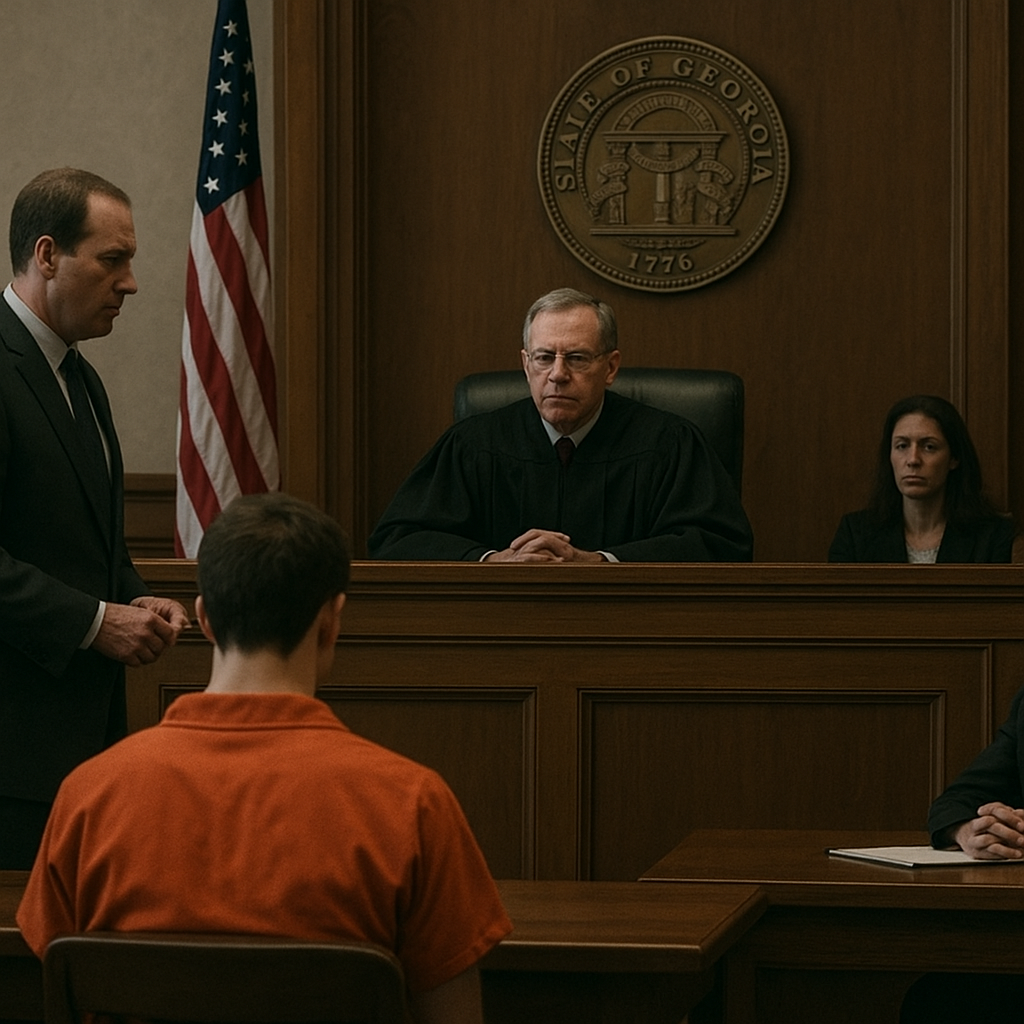
The shooting at Apalachee High School triggered a wave of grief and fear across the region. Families were left to grapple with the loss of students and staff, the trauma experienced by survivors, and the unsettling reality that a school day can turn into a scene of mass violence in minutes. Gray’s sentence does not reverse that harm. But it does provide one of the first formal legal answers about accountability in the aftermath.
Legal context and charges or proceedings
Gray was sentenced to 15 years in prison after being convicted of second-degree murder and involuntary manslaughter. Those charges reflect two related but distinct legal theories: that his actions were sufficiently reckless to support homicide liability, and that his conduct caused or contributed to the deaths even without him being the person who directly carried out the attack.
Second-degree murder generally requires a showing of malice implied by reckless disregard for human life. Prosecutors in cases like this often try to prove that a defendant knew of an obvious risk and ignored it anyway. In the context of firearm access, the theory can be that a parent or guardian should have understood that placing a weapon in the hands of a dangerous teen could lead to catastrophic harm.
Involuntary manslaughter, by contrast, is typically tied to criminal negligence or an unlawful act that leads to death without an intent to kill. The charge is often used when a person’s conduct is so careless that the law treats it as criminally blameworthy. The combination of these charges suggests prosecutors believed Gray’s conduct was not just reckless in the abstract. They viewed it as directly linked to the fatal outcome.
The sentence itself, 15 years, is notable because it places a substantial prison term on a parent whose actions were upstream of the attack rather than at the scene. That is important for legal observers. Courts are often asked to decide how far responsibility extends when one person equips another with tools that are later used to kill. This case pushes that question into the setting of a school shooting, where the stakes are unusually high and the public scrutiny intense.
The proceedings also underscore a point that criminal law has long recognized: liability does not end with the person holding the weapon. A person who aids, abets, provides, or facilitates a crime may still face serious consequences if their actions are sufficiently tied to the harm. That principle has appeared in drug cases, gang prosecutions, and firearms cases. Here, it is being tested in one of the most emotionally charged settings possible.
For readers tracking broader justice policy, the case sits at the intersection of criminal liability and gun access. It raises questions about whether existing laws are strong enough to address warning signs before a shooting, and whether prosecutors in other states will try similar theories when family members or guardians supply weapons to people who later commit mass violence. It is also likely to influence public debate about safe storage, parental responsibility, and the limits of criminal punishment after a tragedy.
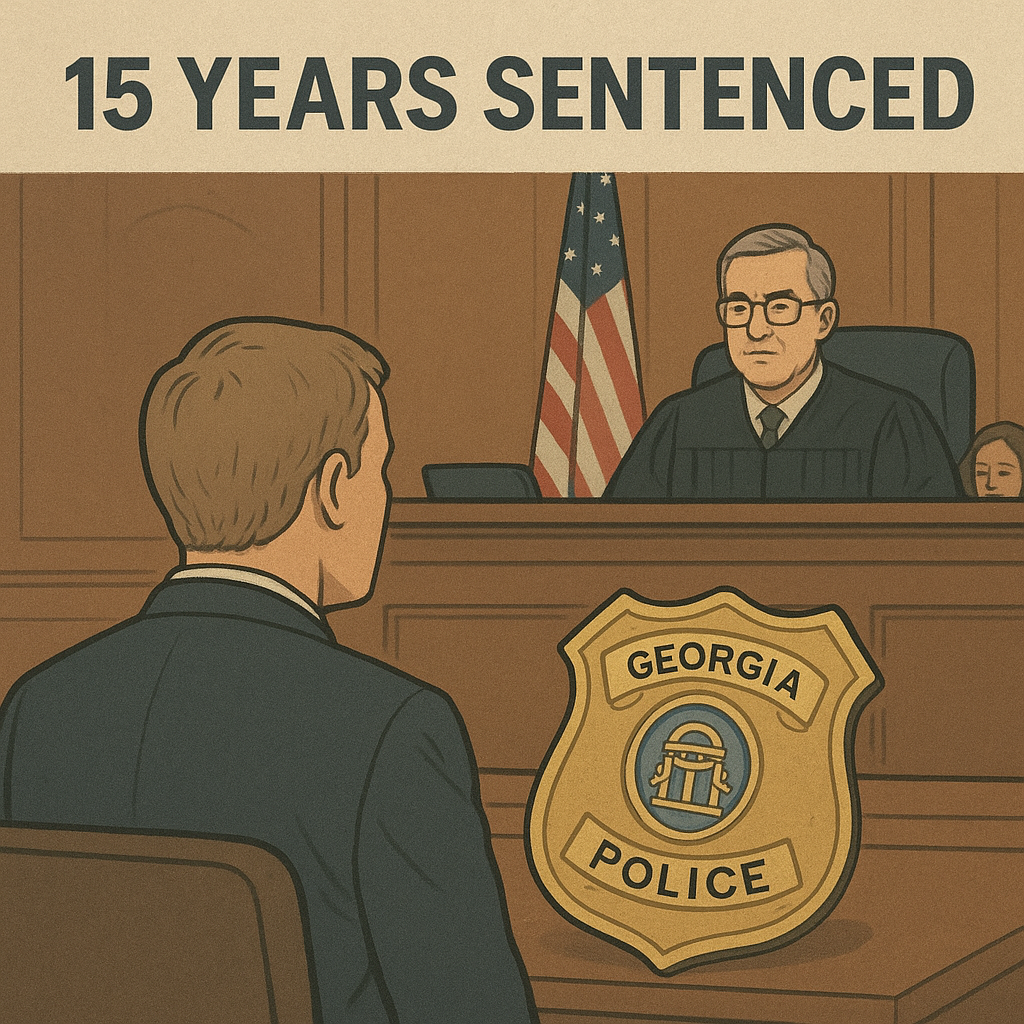
Law enforcement or court response
Law enforcement’s role in a case like this begins long before sentencing. Investigators must reconstruct how the gun was obtained, what the family knew, what warnings were communicated, and what evidence connects the transfer of the firearm to the eventual shooting. That can include digital evidence, witness statements, school records, family communications, and any prior police or school contacts involving the teen.
The prosecution’s statement that Gray ignored warning signs suggests investigators had evidence showing the young shooter’s behavior had become alarming before the attack. In many mass-violence cases, warning signs are one of the hardest issues to establish. Families may notice disturbing behavior but not understand its severity. Schools may know a student is struggling but not know whether the risk is immediate. Police may be called but find no clear basis for intervention. In this case, prosecutors argued the signs were strong enough that Gray should have acted differently.
The court’s response, through the sentence imposed, reflects an attempt to match punishment to responsibility. Sentencing in violent cases is never only about retribution. Judges also consider deterrence, public protection, and the message sent to others who may be in similar positions. A sentence of 15 years signals that the court viewed the conduct as grave enough to warrant a lengthy incarceration, even though Gray was not the shooter.
That matters to prosecutors. It tells law enforcement agencies and district attorneys that cases involving firearm provision and parental conduct may be pursued aggressively when evidence supports a direct link to the resulting deaths. It also tells defense attorneys that these cases will be fought not only over the facts, but over the theory of causation itself. How much did the father’s actions matter? Could the crime have occurred without the gun gift? Was the father’s conduct sufficiently culpable to support homicide charges? Those questions now have a concrete answer in this case.
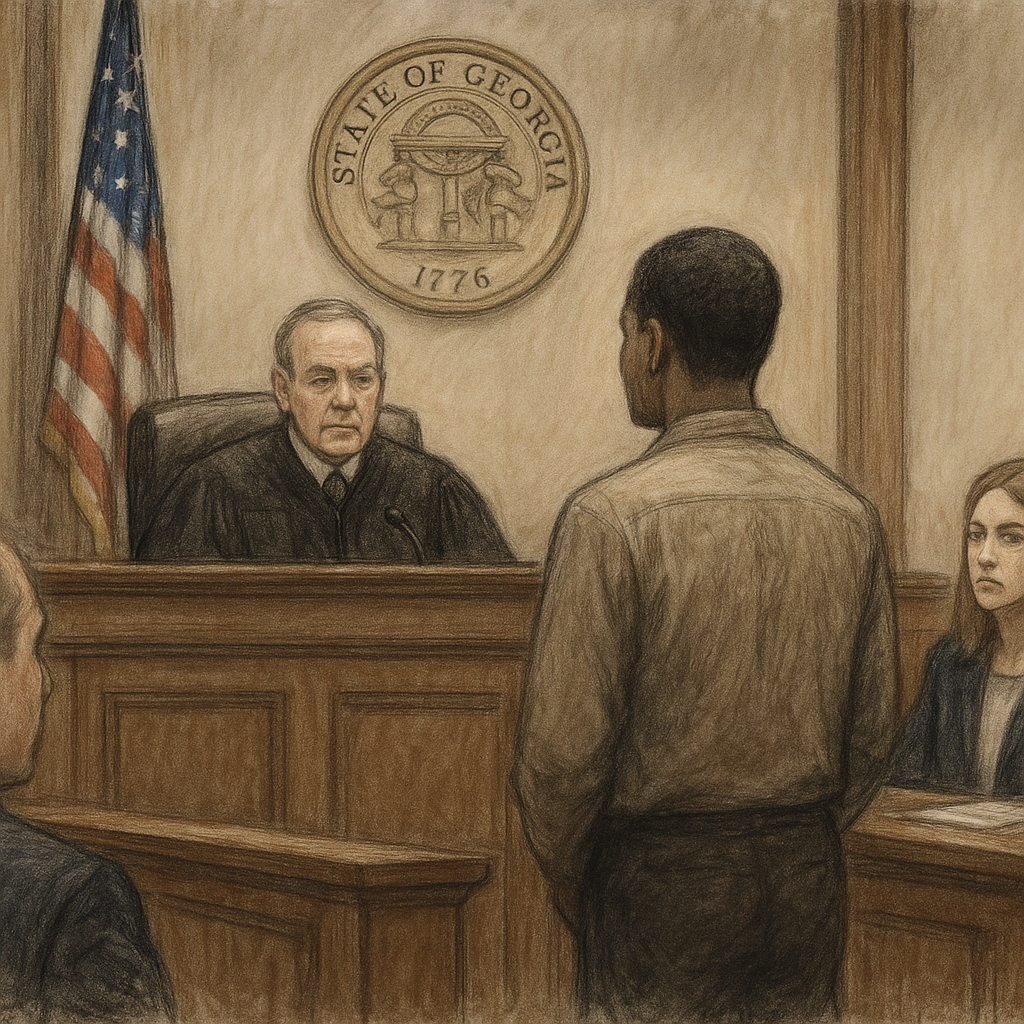
The court response also has a practical dimension for future investigations. After major school shootings, police departments and prosecutors often review whether warning signs were missed at multiple points: at home, in school discipline systems, in mental health settings, and in firearm storage practices. When the gun trace leads to a parent or household member, investigators may focus on whether there was negligent storage, a deliberate handoff, or a pattern of allowing access to weapons. The Gray case reinforces that those details can become the center of a homicide prosecution.
The case also sits within a broader pattern of public safety enforcement after mass shootings. Schools and law enforcement agencies increasingly emphasize threat assessment teams, reporting pathways for alarming behavior, and coordination with parents. But those systems only work if adults report concerning behavior early and secure firearms effectively. If the allegations in this case are borne out by the evidence, the legal outcome will likely be cited in training sessions, policy reviews, and public safety discussions for years.
Community and policy implications
The sentence in Colin Gray’s case is likely to resonate well beyond the courtroom. For the Apalachee High School community, it may offer a measure of accountability, but it cannot restore what was lost. Families of the victims are left with an enduring burden: funerals, trauma, disrupted routines, and the knowledge that a school designed for learning became the site of a mass killing. A sentencing hearing does not erase that. It simply marks one chapter in a much longer aftermath.
For school districts, the case sharpens an uncomfortable question: what can be done when danger is visible but not yet actionable in a criminal sense? Schools routinely encourage students and staff to report threats, weapons, or violent statements. Yet the success of those systems depends on whether adults at home take warning signs seriously, whether schools document concerns, and whether law enforcement can intervene before violence occurs. This case suggests those lines of defense may fail if a weapon is already in the home and access is not controlled.
There is also a policy debate around firearm access for minors and the obligations of adults who own guns. Georgia and many other states have laws related to negligence, safe storage, and criminal conduct involving firearms, but those laws vary in scope and enforcement. Cases like this may increase pressure for stronger safe-storage requirements, clearer penalties for adults who make firearms accessible to minors, and better public education about the risks of unsecured weapons in households with troubled adolescents.
Some advocates are likely to point to this case as evidence that gun violence prevention cannot focus only on the person who commits the final act. If a parent knowingly gives a weapon to a teen showing signs of instability, advocates argue, the law should treat that as a serious public-safety failure. Others will caution that criminal prosecution after the fact does little to stop the next tragedy and that prevention requires earlier intervention through schools, mental health services, and community reporting systems.
Both views are already shaping the national conversation. School shootings often prompt a cycle of grief, calls for reform, and partisan debate over gun laws. The Gray sentencing adds a narrower but important layer: the question of household responsibility. It is not only about whether weapons should be legal. It is also about whether adults should face prison when they ignore obvious risks and put lethal tools within reach of a child.
That debate overlaps with long-standing concerns in criminal justice policy. Lawmakers are often asked whether statutes should punish negligence more severely when the result is multiple deaths. Prosecutors must decide when to file homicide charges in cases that involve indirect conduct. Judges then have to weigh how much punishment is appropriate for someone whose choices helped create the conditions for mass violence without personally entering the building with a gun.
The case may also influence conversations about civil liability and wrongful death claims, although those are separate from the criminal proceedings. Victims’ families often pursue parallel civil cases against people or entities they believe contributed to the harm. While criminal sentencing focuses on punishment and public safety, civil litigation focuses on compensation and accountability. Together, they can widen the legal and financial consequences for those connected to the attack.
For the broader public, the central policy lesson is simple and unsettling: warning signs matter, and access matters. The law can punish after the fact, but the real question is whether communities can keep an armed, unstable teenager from ever reaching the point of attack. That depends on reporting, supervision, storage, and intervention. When one of those links breaks, the consequences can be irreversible.
Frequently Asked Questions
Why was Colin Gray sentenced if he was not the shooter?
Prosecutors argued that Gray contributed to the deaths by giving his son the rifle and ammunition used in the shooting and by ignoring warning signs. The state pursued homicide charges based on that alleged conduct.
What was Colin Gray convicted of?
He was sentenced to 15 years in prison for second-degree murder and involuntary manslaughter.
What did prosecutors say he did wrong?
They said he ignored warning signs and gave his son an assault-style semiautomatic rifle and ammunition as a gift.
Why does this case matter beyond Georgia?
It highlights the question of whether adults can face serious criminal liability when they provide firearms to minors who later commit mass violence. It may also affect future discussions about safe storage and parental responsibility.
Does this case change gun laws?
Not by itself. But high-profile cases can influence lawmakers, prosecutors, and public safety officials when they debate safe-storage laws, juvenile access to firearms, and criminal penalties for negligence involving guns.
How is this different from the shooter’s case?
The shooter’s case focuses on the person who carried out the killings. Colin Gray’s case focuses on whether his actions helped enable the attack and whether that conduct was criminally reckless or negligent under Georgia law.
The sentencing of Colin Gray will likely be studied as a case about responsibility at the edge of a tragedy. It shows how criminal law can reach beyond the person who pulls the trigger and toward the adults whose choices made the violence possible. For the families affected by Apalachee High School, the sentence may offer accountability. For policymakers and prosecutors, it may become a reference point in future cases involving guns, minors, and preventable harm.