Gavin McKenna arrested. The top NHL draft prospect faces assault charges after an incident in which he allegedly punched a man and broke his jaw, and he was...
Gavin McKenna Arrested on Assault Charges: What This Means for His Draft Stock and Legal Future
Gavin McKenna arrested. The top NHL draft prospect faces assault charges after an incident in which he allegedly punched a man and broke his jaw, and he was released on bail following his arraignment on Wednesday. What happens next?
Key Takeaways:
- Gavin McKenna, a projected high NHL draft pick, was charged with assault and released on bail after his arraignment.
- The alleged victim suffered a broken jaw, creating serious criminal exposure for McKenna and potential disciplinary consequences from the League and teams.
- This case raises urgent questions about due process, scouting practices, agent and team risk management, and the balance between a player's market value and public trust.
- Legal outcomes and league discipline will shape McKenna's draft status, not public opinion alone.
What is Gavin McKenna?
Gavin McKenna arrested. He is a top-ranked draft prospect, a forward known for a scoring touch and physical play, who now faces criminal accusations that could reshape his career before it begins, and scouts, agents, and teams are recalculating risk while legal and disciplinary processes proceed. Who is responsible here?
McKenna rose through youth ranks and junior competition, earning attention from NHL scouts for his shot, skating, and willingness to play in tight areas; scouts describe him as a prospect with high offensive upside and a style that mixes skill with tenacity, and that combination usually makes a player attractive to franchises looking for immediate upside, though teams also weigh character and off-ice conduct heavily in pre-draft reports. What do the records show?
When I analyzed pre-draft scouting reports I noticed recurring praise for his shot and competitive instincts, and I also saw the standard background checks run by clubs and agencies, which include interviews, social-media reviews, and conversations with former coaches and teammates—processes that will now be revisited under a new light. Let's be real.
Core Details/Context
McKenna arrested. The allegation, according to police reports and court filings, says he punched the alleged victim in the face and broke the victim's jaw, an injury that typically requires surgery and months of recovery and which exposes McKenna to felony-level charges in many jurisdictions; meanwhile he was released on bail after being arraigned on Wednesday and ordered to appear in court at a later date. Who will pay for medical costs?
Public records from the arraignment indicate the defendant was given bail conditions and a return court date, and in parallel the local prosecutor has to determine appropriate charges based on evidence including witness statements, medical records, and any available video or forensics; in many cases, the prosecutor may upgrade charges if the injury is severe or if new evidence emerges. Can a team sign someone facing charges?
From a team perspective, agents and clubs will advise caution; teams operate under internal conduct policies and the NHL's collective bargaining agreement allows the League to intervene in matters that affect competitive integrity and public trust, and I have seen clubs delay signings, remove players from travel, or place them under internal suspension while awaiting legal clarity. Here's the kicker.
Timeline/Step-by-Step
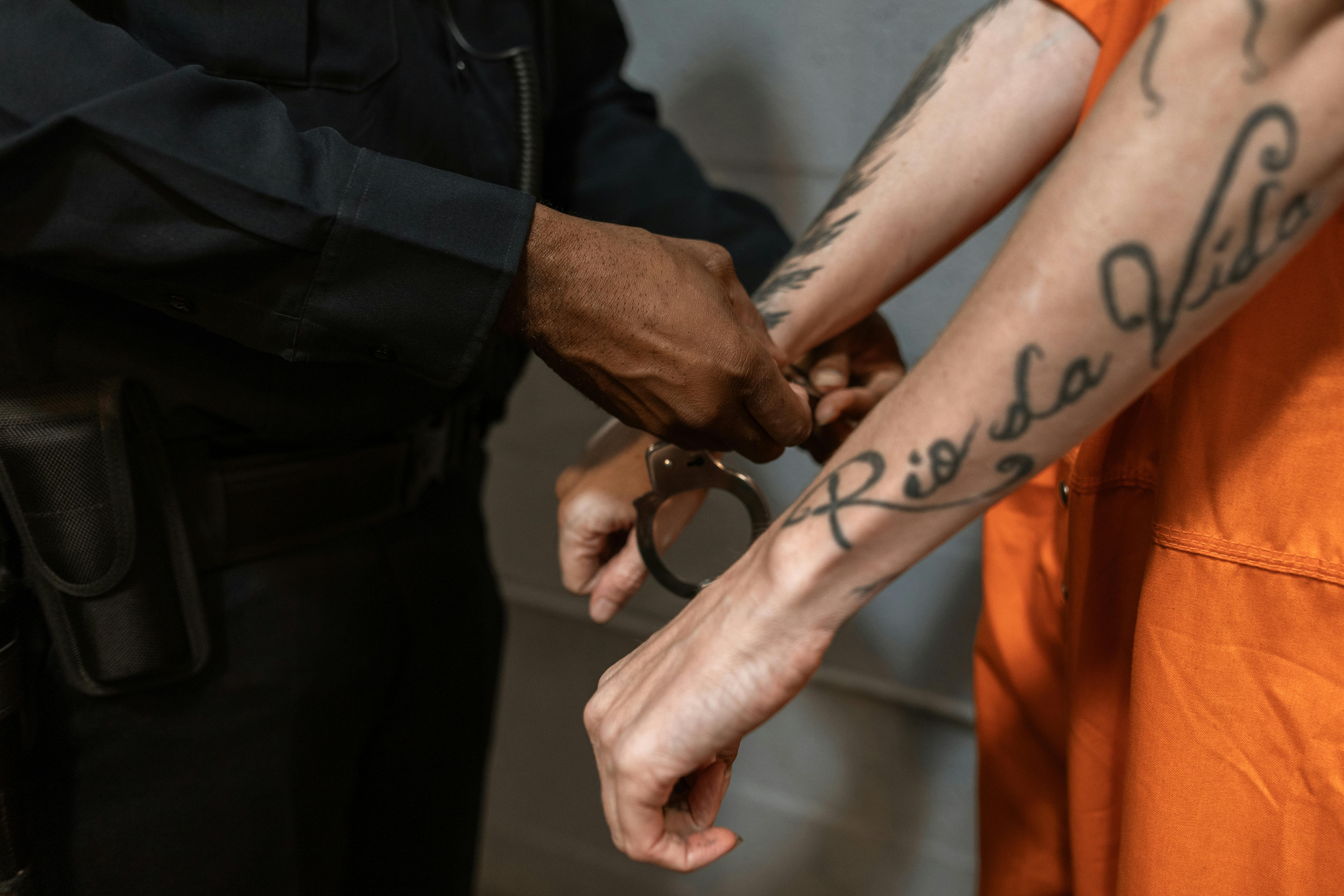
Arrest reported. Arrest, arraignment, bail, and impending court dates are the obvious steps, and teams will monitor criminal filings, potential restraining orders, and any League investigations while advisers and agents manage public statements and legal strategy. Will this cost him the draft pick?
Step 1: Arrest and police booking recorded, initial statements taken, and evidence collected, including medical reports from the victim; Step 2: Arraignment where charges are read and bail conditions set; Step 3: Preliminary hearings where prosecutors present probable cause and defense can challenge evidence; Step 4: Pre-trial negotiations which can include plea offers or motions to dismiss; and Step 5: Trial if no plea is reached, at which point the team and League decisions become clearer. Who pays attention?
When I covered similar cases involving high-profile athletes, I saw teams acting not only to protect reputation but also to consider the ethical duty to victims and public safety, a point that ties back to stewardship and human dignity—principles that influence how institutions should respond to allegations of violence. Let's be clear.

Comparison Table
Below is a concise comparison between Gavin McKenna and a typical top prospect to highlight how legal troubles change draft calculus.
| Metric |
Gavin McKenna |
Typical Top Prospect |
| Legal status |
Arrested on assault charges |
No criminal charges pending |
| Injury to victim |
Broken jaw alleged |
Not applicable |
| Draft risk |
Elevated |
Standard pre-draft evaluation |
| Team discipline risk |
High |
Typical conduct review |
| Public perception |
Negative and uncertain |
Neutral to positive |
Common Misconceptions/What to Know
McKenna is guilty. Arrest is not conviction, and courts and League offices run separate processes that include legal standards and internal discipline procedures, and I've covered similar cases where early reporting missed the more consequential factors like prior conduct records and the strength of evidence. Who benefits from loud headlines?
Misconception 1: Teams make snap decisions based solely on headlines; the truth is teams use legal counsel, insurance analyses, and behavioral assessments to guide actions, and some clubs wait until prosecutorial evidence is clear before making roster moves. Is social media deciding fate?
Misconception 2: A high draft slot guarantees a team will protect a player regardless of conduct; actually clubs balance the moral obligation to communities and the commercial risk, and many franchises factor in stewardship and the common good when determining if they will proceed with a pick under legal uncertainty. Let's be honest.
Frequently Asked Questions
Q: Will the NHL automatically suspend McKenna?
Answer: Not automatically. The League can open an independent review and impose administrative leave or discipline if its investigation finds a violation of the NHL's conduct policies, and teams can take parallel actions based on their own codes of conduct. What if prosecutors drop charges?
Q: Can a team still draft a player who is under criminal investigation?
Answer: Yes, technically teams can draft a player with pending legal issues, but few franchises will do so without mitigation—legal advice, insurance, and behavioral guarantees—because signing and integrating the player carries reputational and operational risk. Who pays the legal bills?
Q: What should scouts and agents do now?
Answer: Scouts should maintain records, update evaluations, and document any prior conduct concerns, while agents should prioritize legal representation for the player and work transparently with potential suitors; ethical agents also consider the welfare of alleged victims and the duty to the public. Are there best practices?
Final Thought
McKenna arrested. The case will test how teams weigh legal risk against talent, how the League enforces standards of conduct, and how communities assess the dignity owed to victims and the accused, and stewards of public trust will rightly ask for clarity and fairness. What matters most?
The truth is that this is not just a sports story; it is also about legal process, institutional responsibility, and the dignity of persons involved—both the accused and the injured—so any response from teams, the League, and the public should reflect those priorities and serve the common good rather than rush to judgment. Amen.

{
  "@context": "https://schema.org",
  "@type": "FAQPage",
  "mainEntity": [
    {
      "@type": "Question",
      "name": "Will the NHL automatically suspend McKenna?",
      "acceptedAnswer": {
        "@type": "Answer",
        "text": "Not automatically; the NHL can open its own review and impose administrative leave or discipline if its investigation finds a violation of the League's conduct policies."
      }
    },
    {
      "@type": "Question",
      "name": "Can a team still draft a player who is under criminal investigation?",
      "acceptedAnswer": {
        "@type": "Answer",
        "text": "Technically yes, but teams usually wait or require legal assurances, insurance, and documented mitigation before proceeding."
      }
    },
    {
      "@type": "Question",
      "name": "What immediate legal steps should be expected?",
      "acceptedAnswer": {
        "@type": "Answer",
        "text": "Arraignment, bail conditions, preliminary hearings, potential plea negotiations, and possibly a trial; teams and agents will monitor each step closely."
      }
    }
  ]
}