Authorities have ruled Fortune’s death a homicide and arrested two men in connection with the case, marking the most significant development yet in an...
Fortune Death Ruled a Homicide as Police Arrest Two Men
Authorities have ruled Fortune’s death a homicide and arrested two men in connection with the case, marking the most significant development yet in an investigation that has moved from unexplained death to a criminal case with potential court proceedings ahead.
Key Takeaways:- Police and investigators have classified Fortune’s death as a homicide.
- Two men have been arrested as the case advances.
- The cause of death has not been publicly disclosed.
- The investigation now shifts toward evidence review, charging decisions, and possible prosecution.
The homicide ruling raises immediate questions about what investigators found, what charges may follow, and how prosecutors will prove the case without publicly identified cause-of-death details. When officials withhold that information, it is often because the investigation is active, the autopsy is incomplete, or detectives want to preserve evidentiary integrity while interviews continue.
What happened
Authorities have not released the exact cause of Fortune’s death, but the homicide determination is a clear statement that investigators believe the death was caused by criminal acts rather than by accident, natural causes, or self-inflicted injury. That finding alone typically comes after a medical examiner or coroner reviews physical evidence, scene information, witness accounts, and investigative reports.
The arrest of two men suggests police believe there is enough probable cause to connect at least those suspects to the death. Arrests at this stage do not mean guilt has been established. They mean law enforcement believes there is sufficient evidence to take the case into the criminal justice system and continue building it through formal process.
In cases like this, the public often hears only fragments at first. Detectives may confirm a homicide and announce arrests while holding back the method of death, the motive, or the relationship, if any, between the victim and suspects. That can frustrate families and community members, but it is standard practice when prosecutors and investigators need to protect witness statements or verify forensic findings.
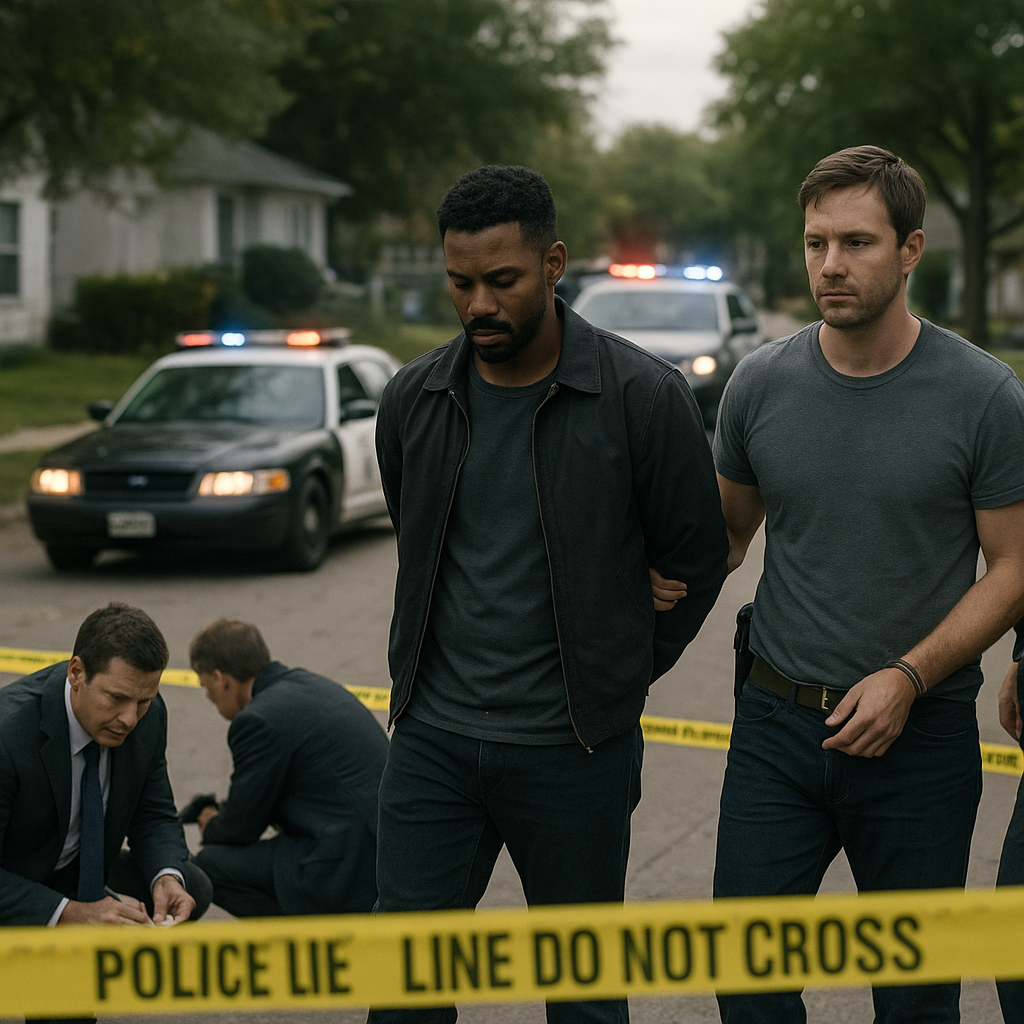
The limited disclosure also signals that the case may still be moving quickly. If police had already closed the file, they likely would have released more detail about the sequence of events. Instead, the information so far indicates an active investigation with open questions and a continuing evidentiary review.
For readers tracking similar cases, it is useful to compare this one with other homicide investigations and post-arrest filings. See also related reporting on homicide investigations, criminal charges, and police arrest procedures for background on how a death case becomes a prosecution.
Legal context and charges or proceedings
A homicide ruling does not automatically reveal what charges will be filed. Depending on the facts, prosecutors could pursue murder, manslaughter, conspiracy, assault-related charges, or weapons offenses. The charging decision usually depends on intent, the degree of force used, the suspect’s role, and whether prosecutors can establish causation beyond a reasonable doubt.
At the arrest stage, police generally need probable cause, which is a lower standard than what is required to convict someone in court. Probable cause can come from witness testimony, surveillance video, phone records, forensic evidence, admissions, or a combination of those materials. The next steps usually involve charging review, arraignment, bond decisions, and discovery once a case is filed.
If prosecutors believe multiple people were involved, they may file separate but related charges. One suspect could be accused of directly causing the death, while another could face accomplice or conspiracy allegations. That distinction matters because criminal liability can extend beyond the person who delivered the fatal act if the state can show aiding, abetting, planning, or shared intent.
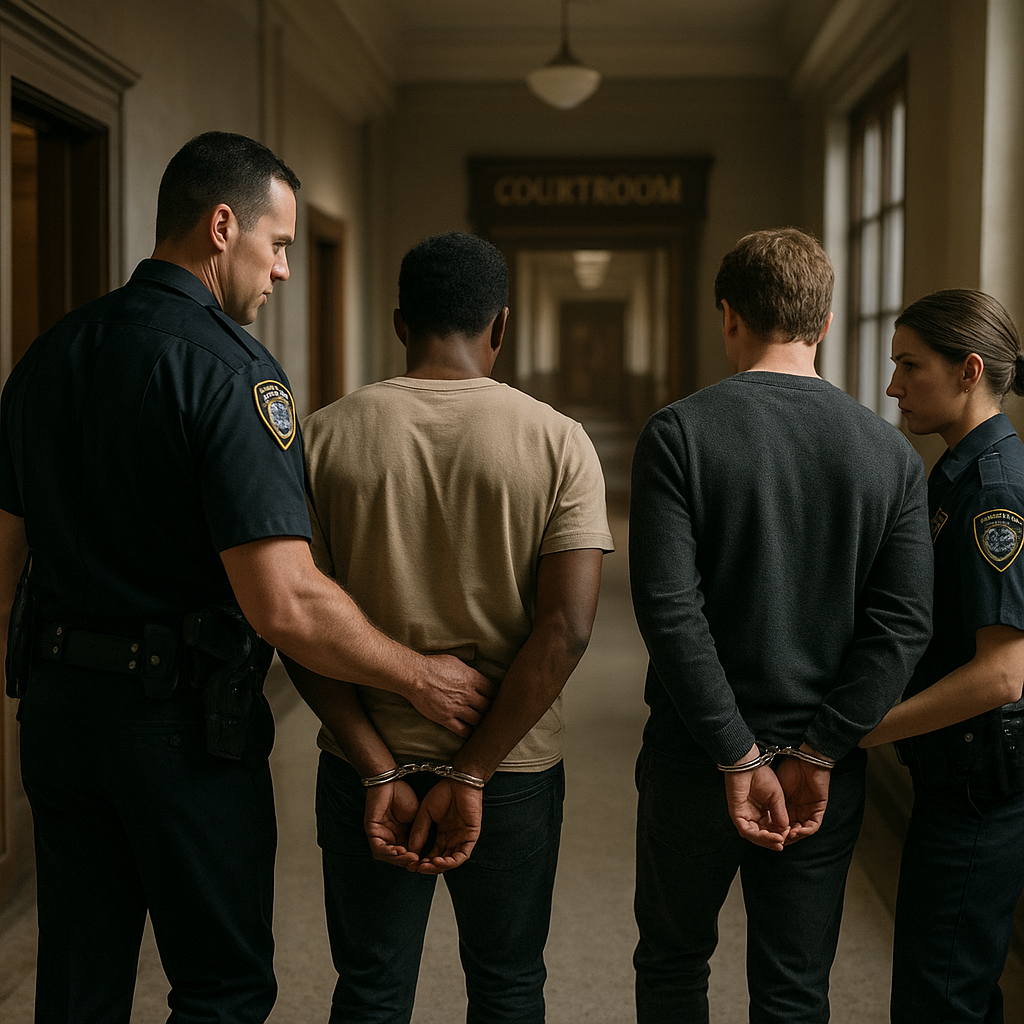
The fact that the exact cause of death has not been disclosed may also matter in court. In homicide prosecutions, medical testimony is often crucial. A pathologist may need to explain trauma, toxicology, or other findings to connect the injuries to the death. If investigators are withholding that information now, it could be because they are waiting for final laboratory results or preparing experts for later testimony.
That is especially true in cases where the death involved blunt force, asphyxiation, gunfire, or a combination of injuries. Each scenario requires careful proof. Prosecutors must show not just that the victim died, but how and by whose actions. Defense lawyers often challenge causation, identification, and witness reliability, particularly when early public statements are sparse.
The legal path ahead may also depend on whether the arrested men are charged in state or federal court. Most homicide cases proceed in state court, but related crimes such as firearms violations, kidnapping, racketeering, or civil-rights-related conduct can sometimes bring federal interest. If federal agencies are involved, the case could become more complex and the filings may be delayed while parallel investigations proceed.
Readers interested in how charges are structured in serious violent-crime cases may find context in coverage of murder indictments, pretrial detention, and forensic evidence in court. Those issues often determine how a homicide case unfolds long before trial.
Law enforcement or court response
The arrests indicate that investigators likely moved from evidence collection to enforcement action after concluding that the available facts supported detention. In many cases, detectives work with prosecutors before making arrests to ensure that witness statements, search results, and forensic findings line up with the elements of a potential charge.
Police departments often release only a narrow set of facts during the early phase. That approach helps avoid contaminating witness recollections and prevents suspects from tailoring statements to match the evidence. It also preserves the prosecutor’s ability to present the strongest version of the case in court rather than in a press release.
Court procedure will now matter as much as the investigation itself. If the men remain in custody, judges may review bail or bond. Prosecutors may argue that the severity of the offense, the risk of flight, or the threat to public safety justifies continued detention. Defense attorneys, by contrast, will likely push for release conditions if the evidence is circumstantial or if there are weaknesses in the state’s case.
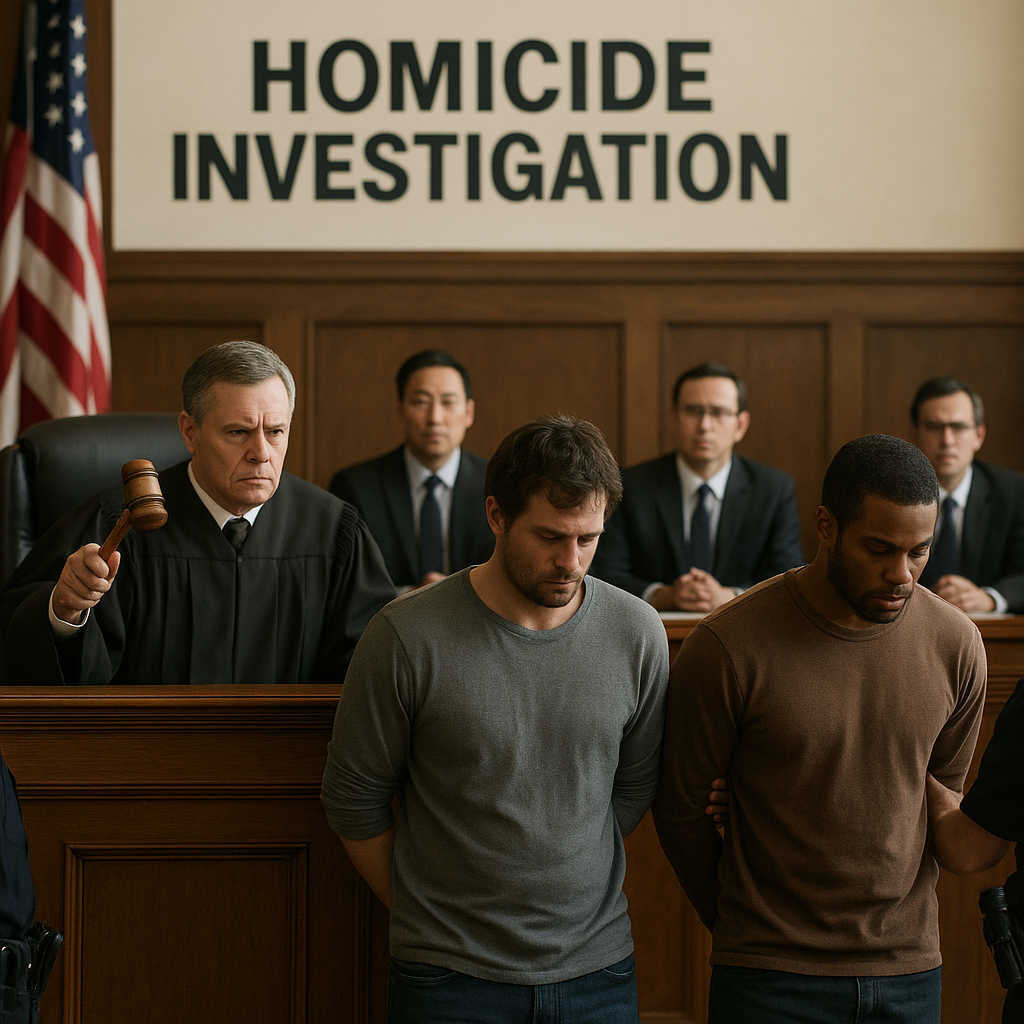
The next public documents, if filed, should reveal more. An affidavit or criminal complaint may describe the timeline, the scene, forensic evidence, and the basis for arrest. If a grand jury is involved, the public may see less immediately, but indictments eventually lay out the formal allegations. Either way, the case will shift from an investigative matter to a courtroom matter.
Law enforcement response also includes preserving chain of custody. Any physical evidence tied to the death—clothing, biological samples, phones, vehicles, surveillance footage—must be documented and stored properly. If there is a trial later, defense counsel will scrutinize every transfer and every report.
The public should be careful not to read the homicide ruling as proof of motive or guilt. It is a classification, not a verdict. The criminal process still requires charges, hearings, and evidence tested under the rules of court.
Community and policy implications
When a death is ruled a homicide and arrests follow, families often want clarity before anything else. They want to know what happened, why it happened, and whether anyone else may be responsible. The criminal justice system, however, usually answers those questions slowly. That gap between public grief and formal proof can be hard to bear, especially if the victim’s death has shaken a neighborhood or raised concerns about violence.
Cases like this also shape how communities view police transparency. Officials have to balance the public’s right to know with the need to protect the integrity of a live case. Too much disclosure can damage a prosecution. Too little can fuel distrust. That tension is common in homicide investigations, especially when a victim’s family says the facts have been withheld for too long.
There is also a policy angle. Homicide investigations depend on forensic resources, detective staffing, and laboratory turnaround times. Delays in toxicology or autopsy reports can slow a case. So can witness fear, lack of cooperation, or evidence from digital devices that takes weeks to extract and review. Counties and states that underfund these systems often see the consequences in slower resolutions and weaker cases.
Community safety advocates may see the arrests as a sign that the system is working. Others may focus on whether the underlying violence could have been prevented. That broader debate touches on street outreach, domestic violence intervention, gun crime enforcement, and the availability of victim services. A homicide case is not only about a single death; it is also a measure of how effectively institutions respond once a life has been lost.
If the case proceeds to trial, it may become a public test of evidence quality and police work. If it ends in a plea, the terms could reveal how strong the prosecution believes the case is. If charges change, that may point to new evidence or a revised theory of the crime.
For readers following criminal justice policy more broadly, this case sits alongside ongoing debates about police investigative capacity, prosecutorial discretion, and court backlogs. Similar reporting on violent-crime policy, court dockets, and victims’ rights can help explain why homicide cases sometimes move quickly and sometimes stall.
Frequently Asked Questions
Why did authorities call the death a homicide?
A homicide ruling means investigators or the medical examiner concluded the death was caused by another person’s actions. It does not, by itself, identify the person responsible or establish criminal guilt.
Why haven’t officials released the cause of death?
Officials may be withholding that detail because the investigation is still active, the forensic work is not complete, or they want to protect evidence and witness integrity.
Do the arrests mean the men are guilty?
No. An arrest means police believe there is probable cause. Guilt can only be determined through court proceedings, a plea, or a trial.
What charges might follow?
Possible charges could include murder, manslaughter, conspiracy, assault-related offenses, or weapons charges, depending on the facts and prosecutors’ review.
What happens next in the case?
The next steps usually include formal charging decisions, court hearings, bond or detention review, evidence disclosure, and possibly a grand jury process or preliminary hearing.
Could more arrests happen?
Yes. If investigators find additional evidence suggesting others were involved, more arrests or charges can follow.
A homicide ruling changes the entire case posture, but it does not close the book. The public now knows investigators believe Fortune died by criminal means, and two men are in custody. What remains unknown may matter even more: the mechanism of death, the motive, and whether prosecutors can prove the case beyond a reasonable doubt.
In the weeks ahead, the court record should fill in the blanks. Until then, the most responsible reading is the simplest one: this is now a homicide case, and the legal process has moved from uncertainty toward accountability.