A suspect arrested after an explosion outside 26 Federal Plaza in Manhattan is believed to have been motivated by anti-ICE sentiment, according to sources...
Explosion Outside 26 Federal Plaza Raises Questions About Anti-ICE Motive and Federal Security
A suspect arrested after an explosion outside 26 Federal Plaza in Manhattan is believed to have been motivated by anti-ICE sentiment, according to sources familiar with the investigation.
Key Takeaways- The incident took place outside a major federal office building in Lower Manhattan.
- Sources say investigators are examining whether the suspect acted out of hostility toward U.S. Immigration and Customs Enforcement.
- Federal and local authorities are reviewing the blast, the arrest, and any possible criminal charges.
- The case sits at the intersection of public safety, federal building security, and politically charged anger over immigration enforcement.
What happened
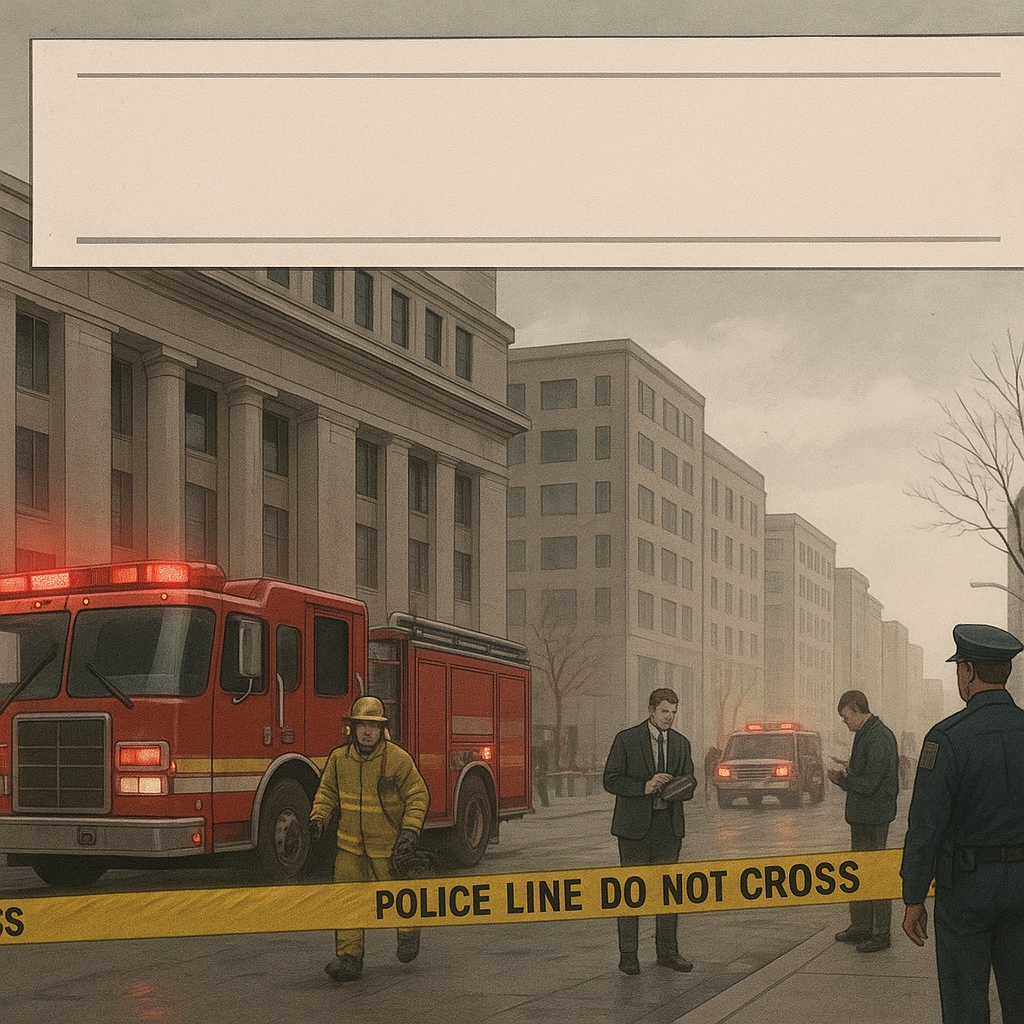
The explosion outside 26 Federal Plaza drew immediate attention because the building houses federal offices in one of New York City’s most heavily monitored areas. Federal Plaza is not just another office tower. It is a site where immigration, security, and court-related functions often overlap, and any disturbance there quickly becomes both a law enforcement and public safety matter.
According to the reporting provided in the prompt, the suspect was arrested after the blast and sources suggested an anti-ICE motive. That detail matters because investigators often try to determine whether an explosion was an isolated act, a reckless personal act, or a targeted political statement. In cases involving federal property or personnel, motive can influence everything from charging decisions to the scale of the investigation.
The basic facts remain under investigation. Authorities have not, at least from the information provided here, publicly detailed the device used, the extent of any injuries, or the amount of damage caused. But the location alone is significant. An explosion outside a federal building in Manhattan activates multiple layers of response: the NYPD, federal protective services, the FBI, and likely the Department of Homeland Security. If the target was linked to ICE, the inquiry would also include whether the suspect’s actions were directed at a specific agency, policy, or person.
That matters in a broader climate where immigration enforcement has become a flashpoint. ICE has been a frequent target of protests and criticism, and federal facilities associated with immigration processing can draw public anger. But a blast is not protest. If investigators conclude the act was intentional and tied to anti-ICE hostility, prosecutors will likely treat it as a serious federal offense, not as a political demonstration.
The public also has a right to know how quickly authorities identified the suspect and whether the arrest prevented further danger. In a city with dense foot traffic and a large number of government workers, the stakes are high. One device, one ignition, one badly timed detonation can have consequences far beyond the immediate scene.
For readers following other justice-related developments, this case has parallels with broader federal security and civil unrest issues discussed in reports like federal criminal investigations and court and charging updates. In New York, questions about how police and federal agents cooperate after a public blast are also central to the response.
<PRIVATE_LINK_1>
Legal context and charges or proceedings
If prosecutors conclude the explosion was deliberate, several legal theories could come into play. The exact charges will depend on the facts: whether the device was real or simulated, whether anyone was hurt, whether the suspect had materials that could support a bombing charge, and whether the act was aimed at a federal building or federal personnel.
In federal cases, prosecutors often look first at statutes involving the use of explosives, destruction of government property, attempted destruction of property by fire or explosive, and possession of an unregistered destructive device if a bomb-like object was involved. If the motive was anti-ICE and the facility housed federal immigration operations, prosecutors could also examine whether the act was designed to interfere with federal functions.
The federal interest is strong here because 26 Federal Plaza is a federal site. Even if local police made the initial arrest, federal prosecutors would likely take a leading role if evidence supports charges under federal explosives or terrorism-related statutes. That does not mean the case will automatically be labeled terrorism. Federal law requires proof of intent and, in some instances, proof that the conduct was meant to influence government conduct or intimidate a civilian population. But motive can matter at sentencing, and it can shape how prosecutors describe the case publicly.
If the suspect made statements about ICE before or after the blast, those remarks could become important evidence. Investigators will also look at digital records, social media posts, text messages, surveillance footage, and any items recovered during a search. In modern criminal cases, the physical object alone is rarely enough. Prosecutors want a timeline.
That timeline may include how the suspect got to the site, whether there was advance planning, what materials were used, and whether the individual had any prior encounters with law enforcement. If the arrest followed a rapidly unfolding scene, the prosecution may begin with a criminal complaint before moving to a grand jury indictment. If the matter is handled as a federal case, the U.S. Attorney’s Office for the Southern District of New York would likely be involved.
The legal defense, if one develops, may turn on intent. Defense attorneys in explosive-device cases often argue the act was not meant to harm people or that the device was not capable of causing the destruction alleged. They may also challenge whether federal statutes were properly applied. But if the evidence shows an intentional detonation near a federal building, the defense will face a difficult road.
For background on federal charging standards and related court processes, readers may find it useful to review federal court procedures and terrorism and explosives guidance. Those sources outline how federal agencies classify destructive devices and how courts process serious criminal allegations.
At the state level, New York law could also be relevant if the arrest occurred before federal charges were filed. State prosecutors can pursue reckless endangerment, criminal possession of a weapon or explosive materials, arson-related charges, or other offenses tied to public danger. In practice, though, when federal property is involved, cases like this often shift quickly into federal hands.
The distinction between a protest-related act and a felony explosion is not academic. It determines bail arguments, detention decisions, discovery rules, and whether the suspect faces years or decades in prison if convicted. Prosecutors will likely emphasize the location, the risk to bystanders, and the need to deter similar conduct.

<PRIVATE_LINK_2>
Law enforcement or court response
The first law enforcement task after an explosion is containment. That means securing the scene, checking for secondary devices, identifying witnesses, preserving video evidence, and determining whether the suspect acted alone. Outside a site like 26 Federal Plaza, those steps usually happen fast because authorities cannot assume a single blast means the danger is over.
The arrest suggests investigators moved quickly to identify a suspect, though the exact sequence has not been made public in the prompt. If the blast occurred in a crowded federal district, surveillance cameras may have been especially useful. Manhattan is one of the most heavily watched urban environments in the country, and federal buildings often have layered security systems. That can speed identification, but it can also complicate the handling of evidence across multiple agencies.
From the court side, the early questions are usually detention and probable cause. If the suspect is charged federally, a magistrate judge will review the complaint, the arrest affidavit, and any government request for pretrial detention. Prosecutors in explosives cases often argue that the defendant presents both a flight risk and a danger to the community. If the facts support a targeting theory tied to federal officers or federal property, detention is more likely.
Former NYPD Sgt. Felipe Rodriguez, referenced in the prompt, likely spoke to the tactical and investigative significance of the event. That perspective is important because bomb-related cases are not routine street arrests. They require coordination across bomb squads, forensic teams, and prosecutorial offices. One missed detail can matter later in court.
CBS News reporter Anna Schecter’s coverage, as summarized in the prompt, suggests the anti-ICE angle is being treated as a serious investigative lead rather than a conclusion. That is the proper approach. Good reporting and good policing both require caution. Sources can point investigators in a direction, but charges should rest on evidence.
If the case proceeds in federal court, the early docket may include an initial appearance, detention hearing, and possibly a preliminary hearing if the government moves slowly on indictment. If grand jury action is swift, the complaint may be superseded by a more detailed indictment that spells out the alleged conduct. In either path, the government will likely move to preserve evidence and restrict contact with potential witnesses.
Because the location is tied to federal operations, protective measures may also be reviewed. After incidents at government buildings, agencies typically reassess screening, perimeter security, and response protocols. That review can remain internal, but it often leads to visible changes outside buildings where the public enters for immigration appointments, administrative hearings, or other services.
The court response will also depend on whether the suspect has counsel and whether any mental health issues emerge. In explosive-device cases, competency can become relevant if there is evidence of erratic behavior, delusional statements, or an unusual motive. Courts take that seriously, but competency issues do not erase criminal responsibility. They alter how the case is processed.
For readers tracking broader public records and government response, the Southern District of New York and the NYPD are the primary agencies to watch for formal updates. If federal authorities take the lead, the U.S. Attorney’s Office will likely define the charges and the public narrative.
<PRIVATE_LINK_3>
Community and policy implications
Any explosion near a federal building raises more than just a criminal case. It also raises a policy question: how should agencies balance open access to public offices with the need to keep workers and visitors safe?
That balance has become harder in recent years. Federal buildings serve people who need passports, immigration processing, hearings, and other services. They are meant to be accessible. But accessibility can create vulnerability. In practice, security often means long lines, bag checks, barriers, and visible armed presence. Those features can reduce risk, but they can also make the public experience more tense.
If investigators confirm that anti-ICE anger motivated the blast, the case could feed into a broader debate about political extremism and how public institutions absorb public rage. Immigration enforcement has long been controversial, and ICE in particular draws sharp criticism from activists. Most critics use lawful protest, litigation, and advocacy. But incidents like this can lead authorities to scrutinize demonstrations and online rhetoric more closely, sometimes unfairly. That is why precise facts matter.
There is also a civil liberties concern. Federal officials often respond to politically charged violence by tightening security and expanding surveillance. Those moves may be justified after a bombing or attempted bombing, but they can also affect ordinary people who merely come to a federal office for routine business. Any policy response should be tailored, not reflexive.
The case may also prompt a reassessment of how federal agencies communicate with the public after a suspicious blast. Clear information can reduce rumors. Silence can fill the gap with speculation. In a city like New York, where social media moves faster than official statements, incomplete details spread quickly. Investigators therefore face a communication challenge: protect the integrity of the case while warning the public about real risks.
If there is a policy lesson here, it is that threats aimed at institutions are rarely just about one agency. They affect bystanders, workers, local police, emergency responders, and the public’s willingness to use government services. One blast can make a courthouse, immigration office, or administrative building feel less like a civic space and more like a fortified zone.
The response should be measured. Strong enforcement is appropriate if a crime was committed. But policymakers should avoid turning every protest-related incident into a broader justification for sweeping crackdowns. Free speech and public safety are not opposites. The criminal law should focus on conduct, not politics.
That principle applies across the justice system, including prison policy and civil rights debates. Cases tied to government buildings, protests, and alleged extremist motives often travel beyond the criminal docket. They touch sentencing, detention, surveillance, and what kind of dissent is treated as dangerous. For more background on those themes, readers can see civil rights and policing policy and justice system reporting.
Frequently Asked Questions
Was the suspect officially charged with terrorism?
Not based on the information provided here. An anti-ICE motive can be relevant, but terrorism charges require specific statutory proof. Prosecutors may still pursue explosives, destruction, or federal property charges.
Why does 26 Federal Plaza matter?
It is a major federal building in Manhattan. Because it houses federal offices, incidents there raise immediate security, investigative, and jurisdictional issues.
Could both state and federal charges be filed?
Yes. Depending on the facts, New York authorities and federal prosecutors can both have an interest. In cases involving federal buildings or destructive devices, federal charges often take priority.
What evidence will investigators likely review?
Surveillance video, witness statements, forensic evidence from the blast scene, digital communications, and any statements made by the suspect before or after the arrest.
What happens next in court?
The suspect could appear before a magistrate judge, face a detention hearing, and then either be indicted or move through another charging step depending on how quickly prosecutors present the case.
The central issue now is not just whether a blast happened, but what exactly investigators can prove about intent. If the anti-ICE motive is confirmed by evidence, this case will likely be charged and discussed as more than property damage. It will become a federal public safety case with implications for how authorities guard government buildings, how they investigate politically charged violence, and how they draw the line between protest and criminal conduct.