Cyberattack Reportedly Raises Temperatures in Supermarket Refrigerators
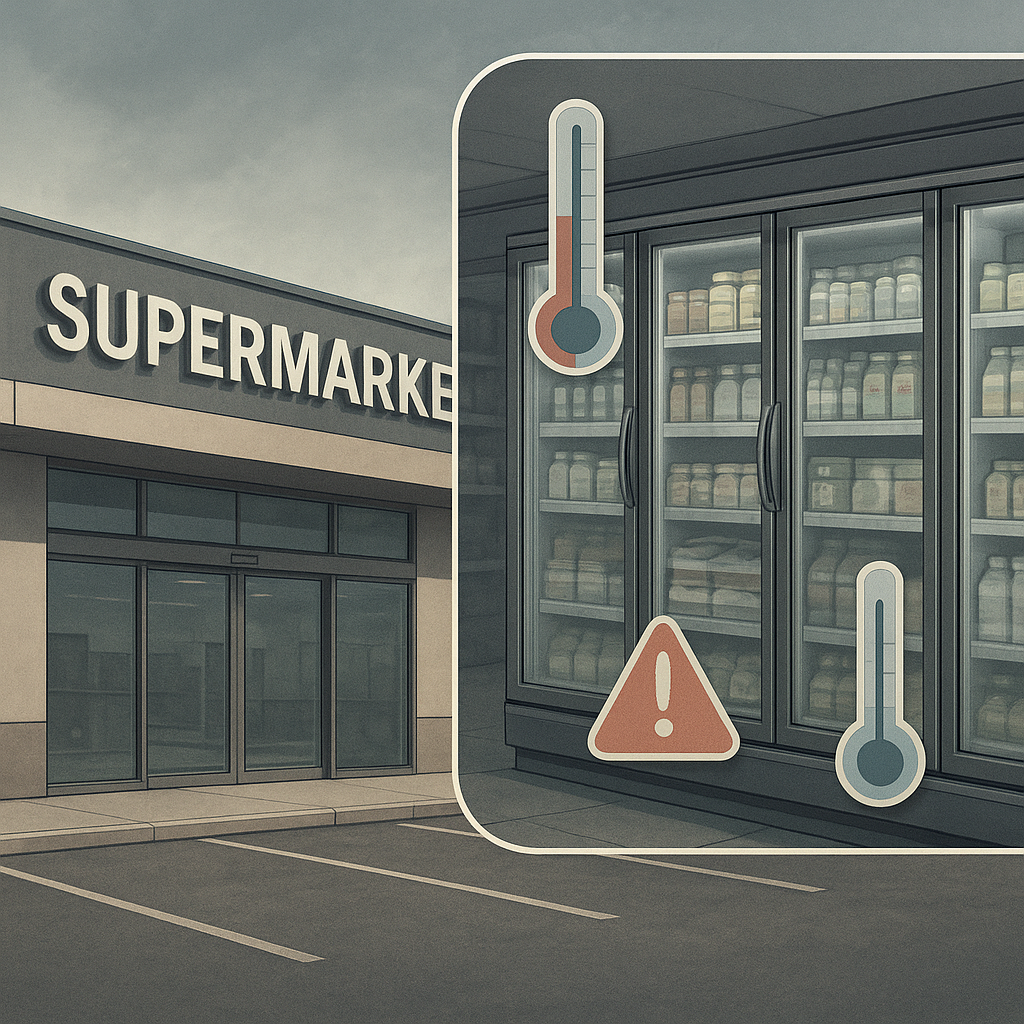
A reported cyberattack caused refrigeration temperatures to rise at hundreds of supermarkets, with fires and food losses among the consequences described in the available account. The report provided for this article does not identify the retailer, country, date, number of affected locations, suspected attackers, or the agencies investigating. Those missing details matter: they prevent independent confirmation of the scale, cause and legal status of the incident.
What happened
The reported sequence is alarming in its simplicity: an intrusion affected refrigeration controls, temperatures climbed, fires occurred at some locations, and food had to be discarded. The account characterizes the incident as “unprecedented.” Without a named company or a more detailed statement from the retailer or authorities, however, it is not possible to determine whether that description refers to the number of stores, the mechanism used, the resulting damage, or a comparison with earlier incidents.
That distinction is important in reporting a cyberattack. A temperature alarm, a refrigeration breakdown, a deliberate intrusion and a fire may occur in the same chain of events, but they are not interchangeable findings. Investigators would need to establish what systems were accessed, whether an attacker changed settings, what caused each temperature rise, and whether any fire was connected to the cyber incident rather than a separate equipment fault or other cause.
The available account does not name the affected supermarket chain or say whether the stores were in one region or spread across a country. It gives no timeline for the intrusion, the discovery of the temperature changes, or the response. It also does not say how long refrigeration was impaired, how many fires were reported, whether anyone was hurt, or the value of the food that was discarded. These facts should not be filled in by guesswork.
A supermarket depends on a web of connected equipment. Refrigeration units may be monitored and adjusted through local controllers, building-management systems, remote maintenance tools or vendor platforms. A store may also rely on alarms that notify staff or a central operations team when temperatures pass set limits. Which of those components was involved here has not been disclosed. It would therefore be premature to describe the event as a compromise of a particular device, software product or vendor.
The phrase “hackers heated up refrigerators” is a vivid shorthand, not a technical explanation. A system can lose cooling because controls were deliberately changed, because equipment was disabled, because a network was disrupted, or because a separate failure followed an intrusion. The evidence needed to distinguish those possibilities could include system logs, controller settings, network traffic, maintenance records, temperature histories and physical inspection of damaged equipment.
Fires make the reported consequences more serious, but the relationship between fire and cyber activity needs proof. A fire can follow an electrical or mechanical fault; it could also be associated with sabotage or an attacker’s actions. Establishing causation requires a store-by-store review, not simply a shared corporate incident report. The account does not say whether fire services or safety regulators inspected any location.
Nor does the available information establish that every affected store experienced the same problem. “Hundreds” could describe locations where systems were disrupted, stores that reported temperature alarms, or outlets affected in some other way. The number of locations where food was lost or fires occurred may be different. Until the retailer or investigators clarify the count and its basis, the scale remains reported rather than independently verified.
Food loss is one immediate, visible consequence. When a refrigerator or freezer cannot maintain a safe temperature, businesses must assess the affected stock and follow relevant food-safety rules. The U.S. Food and Drug Administration’s guidance on food safety during power outages offers general advice about keeping food at safe temperatures, but it is not a determination about this incident or a substitute for the applicable local rules. Retailers must make decisions based on the products, time and temperatures involved, and advice from food-safety authorities.
Legal context and charges or proceedings
No criminal charges or court proceedings are identified in the account provided. It would be inaccurate to say that a particular person, group or government was responsible, or that prosecutors have opened a case. “Hackers” is a general description; it does not establish the identity, location, motive or legal status of whoever may have accessed the systems.
If investigators confirm unauthorized access, the applicable offenses would depend on the jurisdiction and the conduct proved. Cybercrime laws commonly address unauthorized access, interference with computer systems, damage to data or equipment, and attempts to extort or disrupt an organization. Additional laws could apply if evidence showed deliberate damage, threats, fire-setting, food tampering or harm to people. Those are possible legal avenues in the abstract, not allegations made in this case.
Prosecutors would need evidence linking an identifiable defendant to specific actions and showing the elements of the charged offenses. Digital evidence can include access records, authentication data, command histories, malware samples, communications and payment records. Physical evidence and witness accounts may also matter, especially if investigators are assessing fires or equipment damage. A suspicious network connection alone would not establish who operated it or what that person intended.
Attribution is a particular challenge in cyber investigations. Criminals may route activity through compromised computers, use stolen credentials, or operate infrastructure in several countries. Those tactics can obscure a perpetrator’s location and complicate the collection of evidence. Public claims about responsibility should therefore be distinguished from conclusions reached by investigators and tested in court.
The retailer’s legal and regulatory obligations would also depend on where the stores operate and what information was affected. A refrigeration incident does not, by itself, establish that customer or employee data was accessed. If data were compromised, separate notification and privacy rules might apply. If food was sold after unsafe temperature exposure, food-safety authorities could examine handling and disposal practices. If equipment created a danger to workers or the public, workplace or fire-safety regulators might have a role. The supplied account does not say whether any regulator has acted.
Businesses may also face contractual and insurance questions. A company could need to notify technology vendors, insurers, landlords or other partners, depending on its agreements. Those processes are distinct from a criminal investigation and do not establish wrongdoing. The public has no basis, from the details provided, to conclude that a company failed to take reasonable precautions or that a supplier was at fault.
The FBI’s cybercrime resources describe ways to report suspected cyber-enabled crime in the United States. The agency’s role, and the reporting channels available, vary by location; the information provided here does not identify an FBI investigation. Similarly, guidance from the Cybersecurity and Infrastructure Security Agency on industrial control systems can help organizations assess and protect operational technology, but it does not confirm how this reported incident occurred.
Law enforcement or court response
No police force, prosecutor, cybercrime unit, fire service or food-safety regulator is named in the supplied report. There is no confirmation of an investigation, a public warning, an arrest or a court filing. That absence should be stated plainly rather than replaced with assumptions about which agencies are involved.
If authorities are investigating, they may need to coordinate several kinds of inquiry. Cyber specialists could examine the digital path into the systems; fire investigators could determine the cause of any blazes; food-safety officials could assess affected stock and handling; and local law enforcement could gather statements and preserve physical evidence. A company’s internal security team and outside forensic specialists may conduct parallel work, but their findings are not the same as official conclusions.
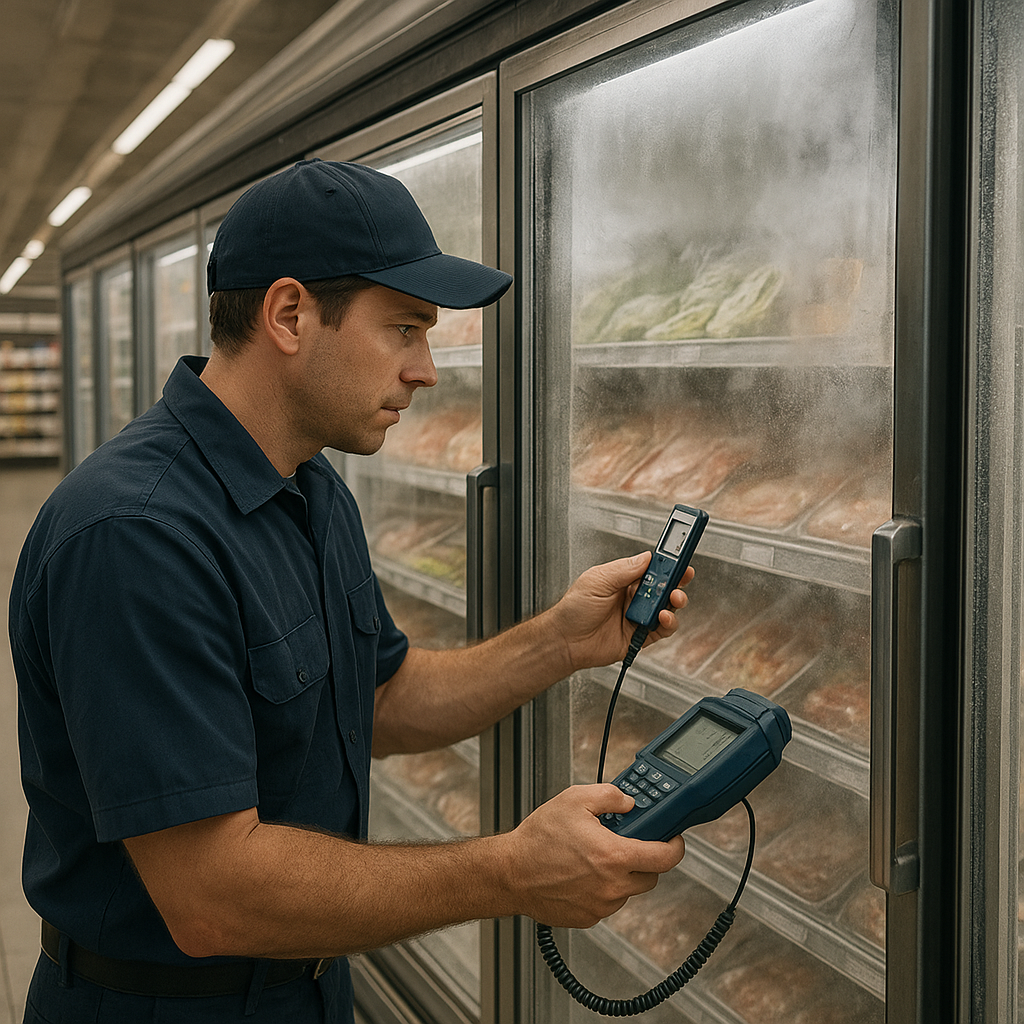
Preserving evidence is central. Investigators would generally want relevant logs and configurations retained, including records from refrigeration controllers, remote-access tools and network equipment. They may also examine temperature histories and maintenance records to establish when controls changed and what equipment did afterward. At the same time, stores may need to restore safe operations quickly. That creates a practical tension: systems must be secured and evidence preserved without prolonging hazards or disruption.
The response to an incident involving operational technology can differ from a standard office-network response. Simply shutting down systems may interrupt essential functions or create other risks. Operators need to understand which devices control physical processes, how manual procedures work, and how to isolate affected equipment safely. CISA’s recommendations for industrial control systems emphasize measures such as reducing unnecessary exposure, controlling remote access and planning for incidents. They are general preparedness resources, not findings about the retailer in this report.
The public should also expect some delay before a reliable account emerges. Investigators may not disclose technical details while they assess vulnerabilities or pursue suspects. A retailer may need time to reconcile reports from stores and verify how much stock was lost. But a careful update can still explain what is known, what remains uncertain, whether customers face a safety concern, and where people can find current information.
A useful public statement would distinguish confirmed facts from early estimates. It would identify the time period and affected locations where appropriate, describe how store operations and food safety are being managed, and say whether authorities have been notified. It should avoid assigning blame before evidence supports it. If the number of stores changes as the review proceeds, the company should explain the reason for the revision.
Community and policy implications
A disruption at a supermarket reaches beyond the company’s balance sheet. Grocery stores are part of everyday food access, and local residents may rely on particular outlets because of their location, prices or accessibility. Temporary closures, reduced stock or concerns about food handling can affect customers and workers alike. The supplied account does not say whether stores closed, whether customers were notified, or whether any community experienced a shortage. Those effects should not be assumed, but they are important questions for a verified follow-up.
Workers may be the first people to notice a fault. Store employees could encounter alarms, smoke, unusual equipment behavior or spoiled goods while continuing ordinary duties. Employers should provide clear instructions on how to report a suspected compromise, when to evacuate, who can shut down or isolate equipment, and how to handle potentially unsafe food. Staff should not be expected to diagnose a cyberattack or enter a hazardous area without training.
The case also points to a wider security issue: digital systems increasingly operate physical infrastructure. A controller connected to a network can affect temperatures, lighting, doors or other equipment. That does not mean every connected system is easy to attack, nor that connectivity alone caused this incident. It does mean organizations should understand which systems can change physical conditions and what safeguards stand between an intruder and those controls.
Basic protections include limiting remote access to people and services that need it, using strong authentication, separating operational systems from general business networks where practical, keeping an accurate inventory of connected equipment, and monitoring for unexpected changes. Organizations should also know which vendors can access their systems and how that access is approved and reviewed. The appropriate measures depend on the equipment and operational risks; a generic checklist cannot replace a site-specific assessment.
Preparation matters as much as prevention. A retailer should have a tested plan for operating safely if digital controls are unavailable or untrusted. That plan may include manual checks, escalation contacts, backup procedures and clear criteria for isolating equipment. Exercises can expose gaps before an emergency. Plans should account for the fact that recovery work itself can create risk if employees restart equipment without understanding what has been altered.
Food-safety procedures should be linked to cyber incident plans. Businesses need reliable ways to identify which products were stored in affected units, how long they were exposed to elevated temperatures, and what steps are required before sale or disposal. Records can help protect customers, support regulatory review and prevent avoidable waste. They also help a company give people accurate advice instead of vague reassurance.
The policy question is not simply whether more rules are needed. Regulators and lawmakers would need to weigh the threat to public safety against the diversity of systems and the ability of organizations to meet security standards. Effective policy can encourage incident reporting, clarify responsibilities among retailers and technology providers, support information sharing, and set proportionate expectations for systems whose failure could affect people. Requirements should be practical enough to implement and specific enough to improve safety.
Transparency is another public-interest concern. Companies may have legitimate reasons not to publish exploitable technical details during an investigation. But withholding every operational fact can leave customers and workers unsure whether stores are safe or whether they should take action. A clear distinction between sensitive technical information and basic safety information can help protect both investigations and the public.
There is also a risk in treating every technical disruption as a criminal act before the evidence is in. Premature attribution can misdirect an investigation, damage reputations and undermine trust. At the same time, describing a serious intrusion as a routine equipment fault, if evidence indicates otherwise, would obscure a genuine safety threat. The responsible approach is to update the account as verified facts emerge and identify what remains unresolved.
No internal links were supplied with the assignment, so this article cannot include the requested contextual links to the publisher’s own coverage. Relevant public guidance is available from CISA on industrial control systems, the FDA on food safety during power outages, and the FBI on reporting cybercrime. These sources provide general information; none independently verifies the supermarket report.
Frequently Asked Questions
Which supermarket chain was affected?
The account provided for this article does not name a retailer or identify a country. The chain and locations cannot be confirmed from the information available here.
How many stores were affected?
The account says “hundreds,” but gives no exact count or explanation of what qualifies as an affected store. It also does not distinguish stores with disrupted systems from those that lost food or experienced fires.
Were people injured or arrested?
No injuries, arrests, charges or court proceedings are identified in the supplied information. That should not be taken as confirmation that none occurred; the details are simply not provided.
Has anyone been identified as responsible?
No suspect, group or government has been named in the account. Attribution requires evidence and should not be inferred from the word “hackers.”
What should customers do if they are concerned about food?
Customers should follow notices from the retailer and relevant local food-safety authorities. General guidance from the FDA applies in the United States, but specific advice depends on the product and circumstances. The report does not identify particular stores or products that customers should avoid.
Final thought
The report describes a serious intersection of cybercrime, physical safety and food handling, but the essential facts remain unconfirmed here. The next responsible step is not to guess at a culprit or a technical method. It is to establish which stores were affected, what systems were involved, whether fires were causally connected, what food was discarded, and what authorities have verified. Until those answers are available, the incident should be treated as a significant report requiring confirmation—not as a fully established account.