Colt Gray is scheduled to appear in Barrow County Superior Court on July 24 for a plea hearing, according to court documents. The proceeding is the latest...
Colt Gray Set for July 24 Plea Hearing in Barrow County Superior Court
Colt Gray is scheduled to appear in Barrow County Superior Court on July 24 for a plea hearing, according to court documents. The proceeding is the latest development in a case that has drawn intense attention because of the underlying allegations and the court’s role in determining how the matter moves forward.
Key Takeaways:- Colt Gray is slated for a plea hearing on July 24 in Barrow County Superior Court.
- A plea hearing can signal a change in the pace or direction of a criminal case, but it does not by itself resolve every issue.
- Court filings and scheduled hearings matter because they shape what the public can know, when, and from whom.
- The case sits at the intersection of criminal procedure, public safety, and broader questions about accountability.
What happened
Court documents show that Gray is expected to appear before Barrow County Superior Court on July 24 for a plea hearing. In practical terms, that means the case is moving into a stage where the defendant may enter a plea, the court may review the terms of any agreement, or the parties may clarify the next procedural step.
Plea hearings are often straightforward on paper and complicated in practice. A hearing can last only a few minutes, yet it may carry substantial legal significance. If a plea is entered, the court must determine whether it is knowing, voluntary, and supported by the record. If no plea agreement is finalized, the hearing can still set the timetable for later motions, evidentiary disputes, or trial-related deadlines.
The scheduling itself is significant. In high-profile criminal cases, a single court date can become a marker for attorneys, victims, families, and observers trying to understand where the matter stands. It can also indicate whether negotiations have advanced enough for the parties to bring the case before a judge. For readers following court proceedings and case developments, this is the kind of docket entry that can reveal more than a press release ever will.
For background on how criminal cases often move through the courts, see related coverage of court proceedings and plea negotiations, ongoing criminal case developments, and public safety responses after serious incidents.
Legal context and charges or proceedings
The court record does not, by itself, explain every allegation or every charge in the case. But a plea hearing generally comes after the filing of formal charges, an arrest or custody status update, and at least some exchange of information between prosecutors and defense counsel.
In Georgia superior court, the procedural path depends on the nature of the indictment, the status of any co-defendants, and whether the state intends to proceed by negotiated resolution or by trial. A defendant may plead guilty, no contest where permitted, or not guilty. The judge’s role is not to bargain for either side, but to ensure that the legal requirements for a plea are satisfied.
If a plea agreement exists, it can include recommendations on sentencing, the dismissal of counts, or other conditions. If there is no deal, the hearing may still preserve the option for a later plea while keeping trial preparation on track. Either way, the hearing is part of the formal record and can influence how the case is perceived by the public and by other actors in the justice system.
That matters because the criminal process is not only about guilt or innocence. It is also about procedure, rights, and the legitimacy of outcomes. Judges must weigh due process, victims’ rights, and the state’s burden of proof. Prosecutors must decide whether a plea serves the interest of justice or whether the evidence supports going to trial. Defense counsel must assess risks, possible sentencing exposure, and the strength of the state’s case.
Cases involving serious violence or major public attention often proceed under intense scrutiny. That scrutiny can affect how much information is released, how carefully lawyers speak in court, and how much deference the judge gives to arguments about scheduling, confidentiality, or witness concerns.
For additional context, readers can review reporting on superior court criminal procedure, prosecutorial decision-making, and investigative case filings.
Law enforcement or court response
At this stage, the most direct response comes from the court itself: a scheduled hearing, a public docket entry, and whatever filing history is already part of the record. In many cases, law enforcement agencies and prosecutors allow the court process to speak for itself once formal charges are in place.
Still, court scheduling is a form of response. It reflects the pace of the prosecution, the readiness of the defense, and the judge’s management of the case. A plea hearing may be set because negotiations have matured, because the state is prepared to present a resolution, or because the court wants to advance the case without unnecessary delay.
If the hearing proceeds, observers will likely focus on several questions: Does the defendant enter a plea immediately, or does the matter get continued? Are there any agreements announced in open court? Does the judge set a sentencing date, or does the case remain in a pretrial posture? In a public case, those details can be more informative than broad statements from either side.
The broader law enforcement response in cases like this often extends beyond the courtroom. Prosecutors, investigators, and school or community safety officials may continue coordinating with victims and witnesses. Where a case involves especially serious allegations, agencies may also be handling evidence management, witness logistics, and public-information requests. Those tasks rarely make headlines, but they shape the case behind the scenes.
The difference between a plea hearing and a trial date is important. A plea hearing can reduce uncertainty, but it can also raise new questions, especially if the resolution is partial or if separate proceedings remain pending. The court file will determine whether July 24 marks the end of a chapter or only a brief stop on the way to another hearing.
Community and policy implications
Cases that attract public attention rarely stay confined to the courtroom. They affect schools, families, local officials, and broader debates about juvenile accountability, public safety, and the speed of criminal justice. Even a short docket entry can renew concern about whether the legal system is moving quickly enough or carefully enough.
In communities that have already been shaken by violence or serious allegations, the court calendar becomes part of the civic conversation. People want to know whether the process is fair, whether victims are being heard, and whether the result will reflect the seriousness of the case. Those questions are not limited to one county or one defendant. They echo across the state and, often, nationally.
The plea-hearing stage also invites policy questions. Should high-profile cases move faster? Should more hearings be open to the public? How much information should be released before a plea or trial? Those questions sit at the center of ongoing criminal justice policy debates. For a deeper look at policy and system response, see related coverage of criminal justice policy debates, victims’ rights in court, and community safety and prevention efforts.
There is also a civil-rights dimension to public criminal cases. Transparency matters, but so does fairness. Courts must balance the public’s right to understand what is happening with the defendant’s right to due process and the integrity of the proceedings. That balance becomes harder in cases with intense media scrutiny, especially when speculation races ahead of verified filings.
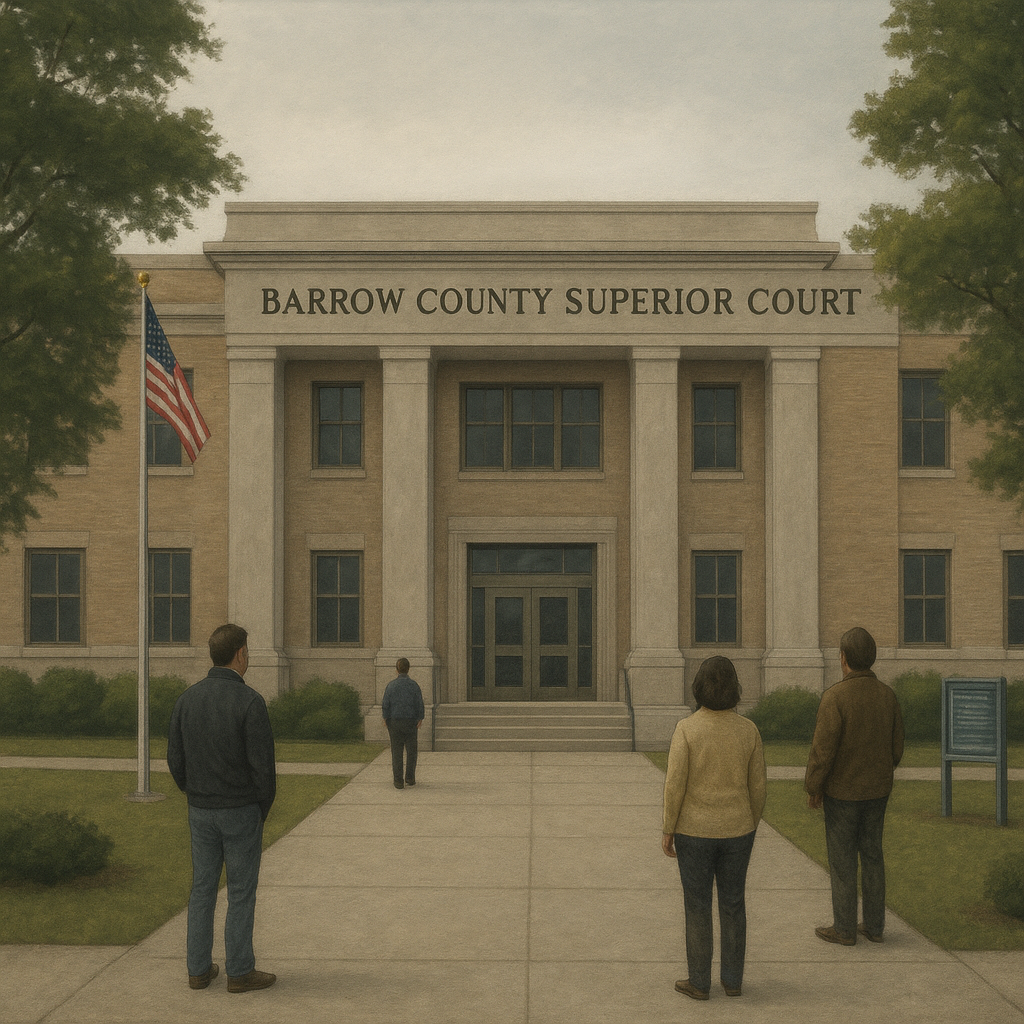
For families and residents, the key question is often simpler: what happens next? A hearing date provides a concrete answer, even if it does not resolve the matter. It tells the public that the case remains active and that the court is continuing to exercise oversight. In an era when many criminal cases can linger with little explanation, even that can matter.
Frequently Asked Questions
What is a plea hearing?
A plea hearing is a court proceeding where a defendant may enter a guilty, not guilty, or other permitted plea. The judge ensures the plea is legally valid and may address scheduling or sentencing issues.
Does a scheduled plea hearing mean the case is over?
No. A plea hearing can lead to a resolution, but it can also be continued or reset. The hearing is one step in the process, not always the final one.
Why does this hearing matter to the public?
In high-profile criminal cases, court dates can show how the case is progressing, whether negotiations are advancing, and what the next procedural step will be.
Will the hearing be public?
In most criminal cases, court proceedings are public unless a judge orders otherwise or a legal rule limits access to certain information.
What should readers watch for on July 24?
Whether a plea is entered, whether the judge accepts it, whether a sentencing date is set, and whether any additional hearings are scheduled.
The most important detail right now is simple: the case remains active, and the court has set a date that could clarify its direction. Whether July 24 becomes a turning point or just another step will depend on what is said in open court and what is filed in the record afterward.