Catina Salarno was 18 when she was murdered in California in 1979, and the case has followed her family for decades through parole hearings, victim-impact...
Catina Salarno’s 1979 Murder and the Long Fight to Keep Her Killer in Prison
Catina Salarno was 18 when she was murdered in California in 1979, and the case has followed her family for decades through parole hearings, victim-impact statements, and repeated debates over whether the man convicted in the killing should ever be released.
Key Takeaways- Catina Salarno’s murder became a long-running parole and victim-rights case, not just a single homicide file.
- Her family’s advocacy kept attention on the original crime and on the risks of releasing a convicted killer.
- The case raises broader questions about parole, victim participation, and how states balance rehabilitation with public safety.
What happened
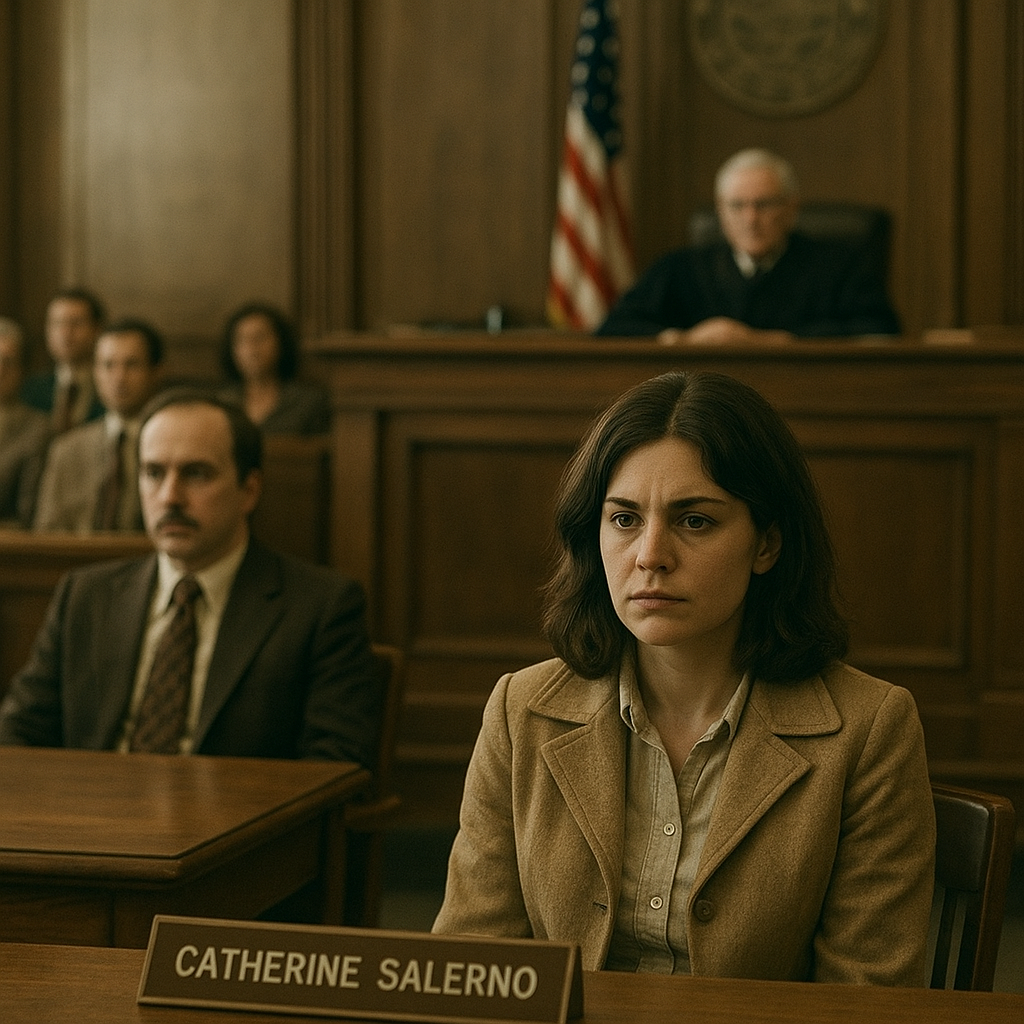
Salarno was a college freshman in California when she was killed in 1979. The murder stunned her family and community, in part because she was so young and because the crime came at a time when California was already struggling with violent crime, sentencing policy, and the role of parole in long prison terms.
Her death did not stay buried in an old case file. It became a defining event for her family, especially as they learned that the man convicted in the case would eventually become eligible for parole review. For them, the murder was never only a matter of past punishment. It remained a public-safety issue.
Families of homicide victims often describe the criminal justice process as one that ends too soon for them and too late for everyone else. In parole matters, they can be forced to revisit the facts of a killing again and again, with each hearing reopening grief and fear.
The Salarno case also shows how violent crimes can shape local and state policy debates far beyond the courtroom. California has repeatedly revised sentencing rules, parole standards, and victim notification procedures over the years. Cases like this one show why those changes matter in practice, not just on paper. For background on how such cases fit into broader debates over criminal justice policy, see California sentencing and parole reform, victim rights in homicide cases, and parole hearings and public safety.
Legal context and charges or proceedings
The legal history surrounding Salarno’s murder has centered on one basic question: whether the convicted killer has served enough time, and whether parole would pose an unacceptable risk.
In homicide cases, the original verdict is only the first stage. After conviction, the sentence, any appellate review, and the parole process determine what happens decades later. That is especially true in older California cases, where indeterminate sentencing and parole eligibility often leave the final release decision in the hands of the state parole board rather than the trial court.
Victim families frequently argue that the passage of time should not erase the seriousness of the underlying facts. Parole boards, by contrast, are required to assess current risk, prison behavior, and evidence of rehabilitation. The result is a deeply human but highly legal dispute: one side focuses on the irreversible harm caused by murder; the other focuses on whether the prisoner remains a threat.
That tension is central to many California parole cases. The state has spent years revising its approach to lifers, especially in cases involving violent offenses. Prosecutors, relatives of victims, and public-safety advocates often argue that parole decisions should give greater weight to the original crime and the danger posed by release. Defense lawyers and prison-reform advocates push back, saying parole should remain tied to demonstrated change, not permanent punishment.
The Salarno case sits squarely inside that debate. When a convicted murderer becomes eligible for release after decades in custody, the legal issue is not whether the crime happened. That question was decided long ago. The issue is whether the law should continue to treat that conviction as a permanent bar to release, or whether the state should trust that enough time and rehabilitation can reduce risk.
For readers tracking how these proceedings work, California’s parole system and homicide sentencing rules are often shaped by legislative and judicial decisions outside the courtroom. Related coverage can be found in how California parole law works, the role of prosecutors in parole opposition, and criminal appeals and post-conviction review.
Law enforcement or court response
The response from prosecutors and victims’ advocates in cases like Salarno’s is usually persistent and procedural. It rarely plays out in a single dramatic hearing. Instead, it unfolds through parole opposition letters, board presentations, victim-impact statements, and repeated review of the inmate’s disciplinary record and the facts of the underlying murder.
That is one reason these cases attract public attention. Many people assume that once a defendant is convicted, the legal process ends. In reality, homicide cases involving indeterminate sentences can remain active for decades in a practical sense. Prison officials compile records, parole commissioners review them, district attorneys may appear in opposition, and family members often prepare statements that are as much about memory as they are about law.
California law gives victims and their families a formal role in parole proceedings. That participation matters, especially in a case like Salarno’s, where the family has spent years insisting that the original crime still carries present-day consequences. Their continued advocacy reflects a broader shift in criminal justice: victim rights are no longer treated as an afterthought, at least in theory. In practice, the experience can still be exhausting and emotionally punishing.
The courts, meanwhile, are typically involved only indirectly unless a parole decision is challenged through the judicial system. Judges generally do not re-try the murder itself. Their role is narrower: reviewing whether the parole board followed the law and whether there was at least some evidence to support its decision. That standard gives the board substantial discretion and makes many denials difficult to overturn.
This procedural structure is why homicide cases can become civic causes. A family may have won the original conviction years earlier, but still find itself returning to the state capitol, the parole hearing room, or the county courthouse to prevent release. In the Salarno matter, the long battle is as much about the criminal justice system’s post-conviction machinery as it is about the original murder.
It also shows how prosecutors and law enforcement officials can remain involved long after an arrest, particularly when a victim’s family believes the state should keep fighting. In some cases, district attorneys’ offices maintain dedicated units for parole opposition or victim services. In others, the burden falls on individual attorneys and family advocates who have to learn the rules of a system most people never encounter until tragedy strikes.
For more on related systems and authority, see district attorney parole opposition units, victim services in homicide cases, and post-conviction public-safety review.
Community and policy implications
The Salarno case is not only about one victim or one prisoner. It speaks to how communities define accountability after violent crime.
Supporters of strong parole oversight say cases like this are reminders that rehabilitation cannot be judged in the abstract. A person convicted of murder may appear different after decades in custody, but the state still has to account for the harm inflicted on the victim, the trauma to the family, and the possibility of reoffending. For them, parole should be cautious, especially in cases involving stranger violence or signs of brutality.
Others argue that California’s parole system cannot function if it becomes a form of permanent imprisonment by another name. They say the state must preserve some path to release for people who have truly changed and who no longer pose a danger. Under that view, each hearing should be individualized, and public attention should not automatically translate into denial.
Both positions carry weight. The policy question is not whether murder is serious. It is. The question is how long the state should continue to punish a person, and what evidence should justify release after decades behind bars. That question becomes even more complicated when the original crime remains vivid in the public memory.
For communities, the emotional stakes are obvious. A parole hearing can feel like a second trial for the family of the victim. For correctional officials, it is a risk-assessment process. For lawmakers, it is a test of whether the parole system is serving both justice and public safety.
California has frequently tried to balance those goals through statutes that expand victim participation, tighten review in violent cases, and clarify the standards for release. Yet cases like Salarno’s show that no statute can fully remove the pain of reopening a murder case decades later. The law can provide procedures. It cannot restore the person who was lost.
This is also why older homicide cases matter in conversations about sentencing reform. When policymakers consider reducing prison terms, changing parole standards, or creating new review mechanisms, they are often speaking in general terms. Families in cases like this one bring the debate back to the specific human cost. That is one reason these stories remain central to criminal justice reporting and to public arguments over parole and victim participation reforms, life sentences in California, and public safety and release decisions.
There is also a civil-rights dimension. Victims have rights, but so do prisoners seeking fair parole review. When the system functions well, it should provide meaningful hearings, transparent reasoning, and respect for everyone involved. When it fails, it can look arbitrary from either side. The challenge for policymakers is to reduce that uncertainty without turning release decisions into political theater.
Frequently Asked Questions
What was Catina Salarno’s case about?
Catina Salarno, an 18-year-old California college freshman, was murdered in 1979. Her case later became known for her family’s long effort to keep the convicted killer in prison through parole review and public advocacy.
Why did the case continue for so many years?
Because the convicted person became eligible for parole review after serving a long prison term. In California, some murder convictions eventually lead to repeated parole hearings rather than an automatic release date.
What role do victims’ families play in parole hearings?
They can submit statements, attend hearings, and argue that the original crime still shows the prisoner poses a danger. Their participation is an important part of California’s victim-rights framework.
Does a parole board re-litigate the murder?
No. The board does not retry the case. It reviews the conviction, prison record, behavior in custody, and evidence of current risk. The murder itself remains the basis for the sentence.
Why does this case matter beyond one family?
It reflects broader disputes over life sentences, parole, rehabilitation, and victim participation. Those issues affect many homicide cases and continue to shape California criminal justice policy.
Catina Salarno’s murder is remembered not only because of the crime itself, but because of what came after it: years of hearings, advocacy, and a family’s refusal to let the system forget the person they lost. The case shows how a single homicide can reverberate through parole policy, prosecutorial practice, and public debate for decades. It is a reminder that in criminal justice, the end of a trial is often only the beginning of the next fight.